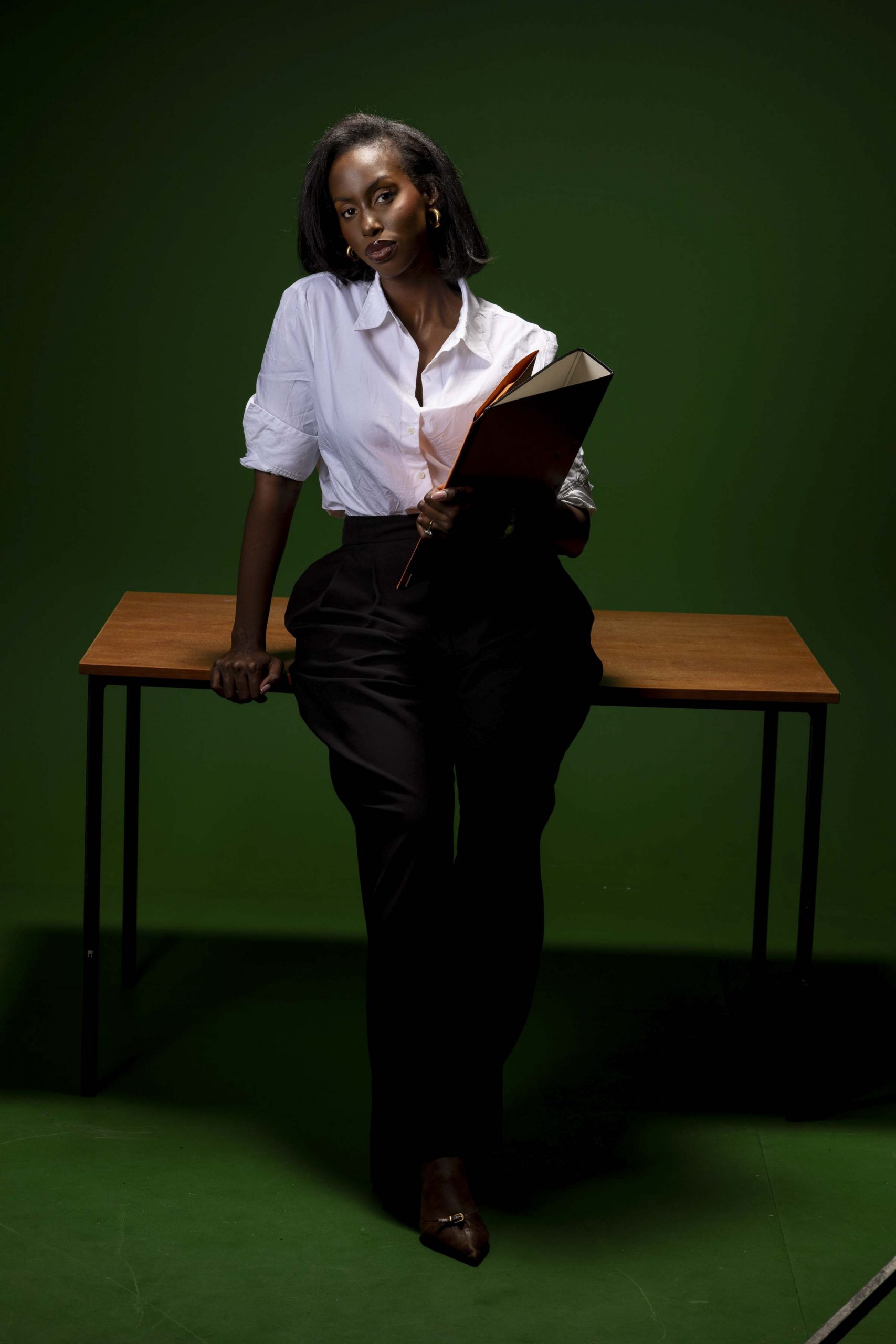
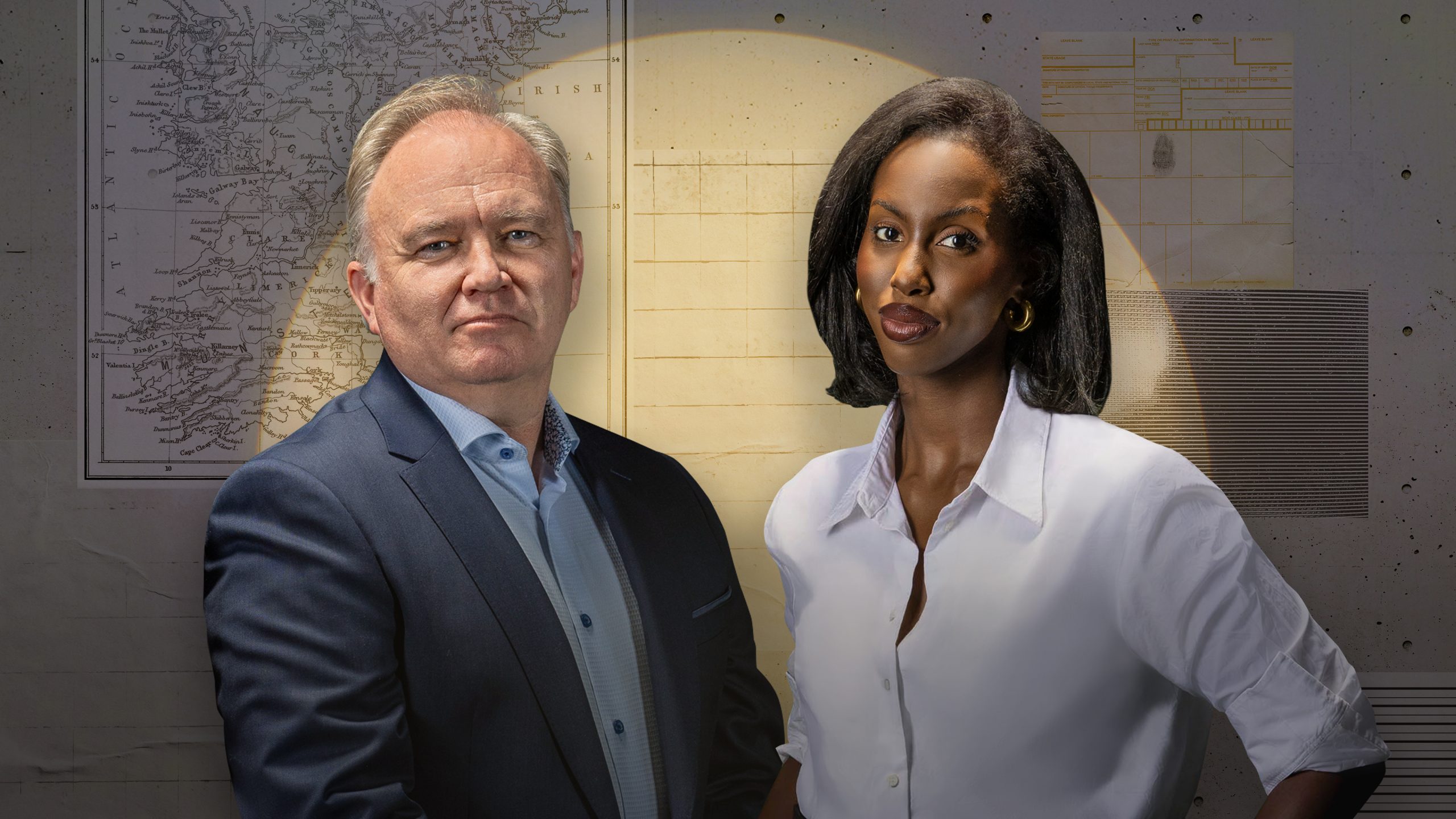
Katja Mia is showing off a new side to her. She will be joining Barry Cummins for a brand new podcast, Unsolved.
The new true crime podcast from RTÉ will focus on unsolved crimes, launching on July 29th.
We sat down with Barry and Katja to chat about why they’ve come together for the podcast…
Hi Katja and Barry, talk to us a bit about Unsolved and what you bring to the podcast.
Barry: What I bring is 30 years of crime reporting and all the cases I’ve looked at. And I’ve built up the knowledge of lots of cases. And that’s what we’re going to be doing in the podcast, going through different cases and information that we haven’t been able to publish or report because of time constraints with television reports and radio reports as well. So podcasts can be as long as we feel they should be. So I’m delighted with that. And yes, maybe a year ago, I wouldn’t have imagined that I’d be doing a podcast at all. I was still working in RTÉ, working in Prime Time. I’m delighted the way it’s gone.
Katja: I’m delighted to be working with Barry. He’s the expert here, like those 30 years of crime reporting. He’s probably been at the scene of the crime in a lot of cases that we’re going to talk about. He’s been at the court hearings. He’s spoken to the family. So that is great insight that we have for this podcast. And I think for myself, it’s the fresh set of eyes on these cases. It’s the questions. It’s the empathy as well. It’s going to be like a dialogue throughout this podcast. It’s not a coincidence that a lot of the cases we talk about, the victims are women. Women of all ages are victims of femicide. But 50 per cent of them are 35 and under. I’m coming at it from the angle of being a young woman myself and kind of trying to be in their shoes.
These are all unsolved cases. Why choose that route?
Barry: There are so many cases where families have not got justice. And the victims, most importantly. So let’s talk about them. What are we missing? What wasn’t discussed? And historically, we find that a lot of the cases in the 80s and 90s. It was largely, if not totally, men who were the Gardaí involved in the cases, bringing their life experience into investigations. And these are cases that are still unsolved. So it’s about trying to come at things in a different way.
There are plenty of true crime podcasts, what sets you apart?
Katja: We have a lot of stories. Barry’s intel on all these cases. For a lot of the ones we are talking about. He has been there. He has reported on them. He has met their families. He can help us paint a picture. This podcast is victim-centred. The first thing we hear about them is these atrocious things that happened to them. We don’t get to build them up. We get insight into that. We focus on humanising the victim first. There is dialogue. There are questions. We are getting the info. We are getting the questions. When I listen to a true crime podcast, I’m asking these questions, but there’s no one there to answer them. Why did this happen? How come they couldn’t bring that type of evidence? We will be able to answer that. And listeners can walk away being satisfied. They can use their critical thinking. They can build empathy for the victims and their families. I think that is what will set this one apart.
Barry: For me, it is an ability to talk in a particular way about cases. I feel very strongly about cases that have not been solved. I have met so many families. I come from a news reporting background. There was a particular way of talking about cases. To really get people thinking about a lot of things that have happened in the past that still have a huge impact on people in the present. That leads on nicely to my next question. I think true crime documentaries and podcasts have come under a lot of fire for being sensationalised and focusing on the horrors that have happened to predominantly women.
How do you go about making sure that the podcast is sensitive and not sensitionalise these stories?
Katja: We definitely proceed with caution in a way. The facts are there, the story is there, and we just say what is basically the information that we know. We are not sensationalising it at all. The questions that I have are just natural, curious questions. You have to be super sensitive with this kind of material.
Barry: We will be in contact with the families of victims in each case in advance to let them know what we are doing and the Gardaí as well because these are active investigations. So it is very important that what we are doing will assist, if it can assist, to look at it that way. It is talking about cases that may be very well known in the public domain and others that are not. Each of the cases we look at there is something different in each one and there may be reasons we can explore as to why they have not been solved and reasons why they can be solved now. But at the heart of it are hundreds of families. I talk about the victims, but that is hundreds of families and generational impact on people who have a mother, a father or an aunt or uncle who was killed, who were not even alive when that happened and they are the new generations as well. There is the ripple effect, and I am very conscious of that, but we are approaching it from the right perspective, and hopefully we can not only have an impact in getting people to know about these cases but try to solve the case or get new leads, get people talking, get tips coming in and move it on.
The first three episodes of RTÉ’s new podcast Unsolved, presented by Katja Mia and Barry Cummins, are available now wherever you get your podcasts.