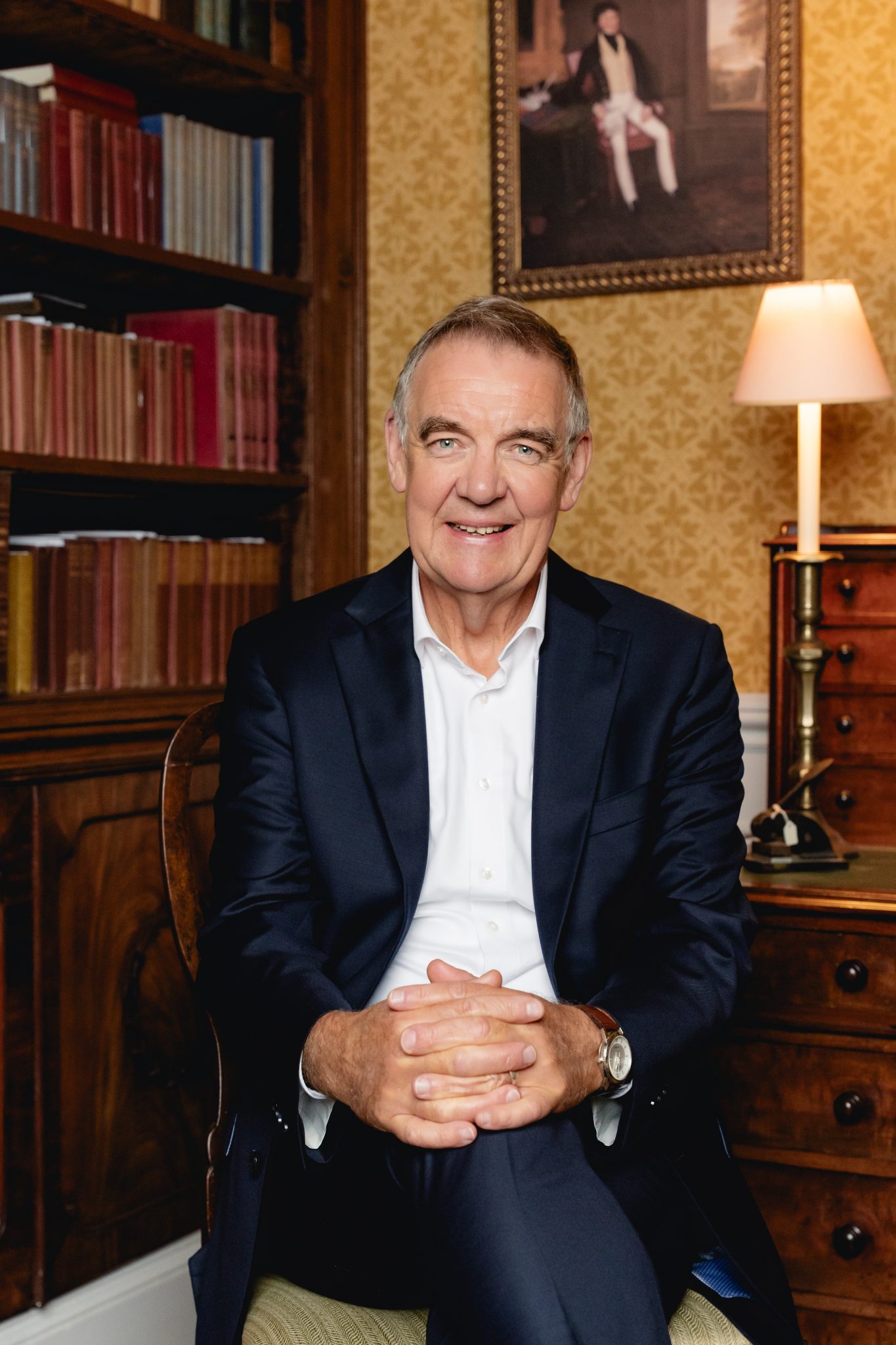
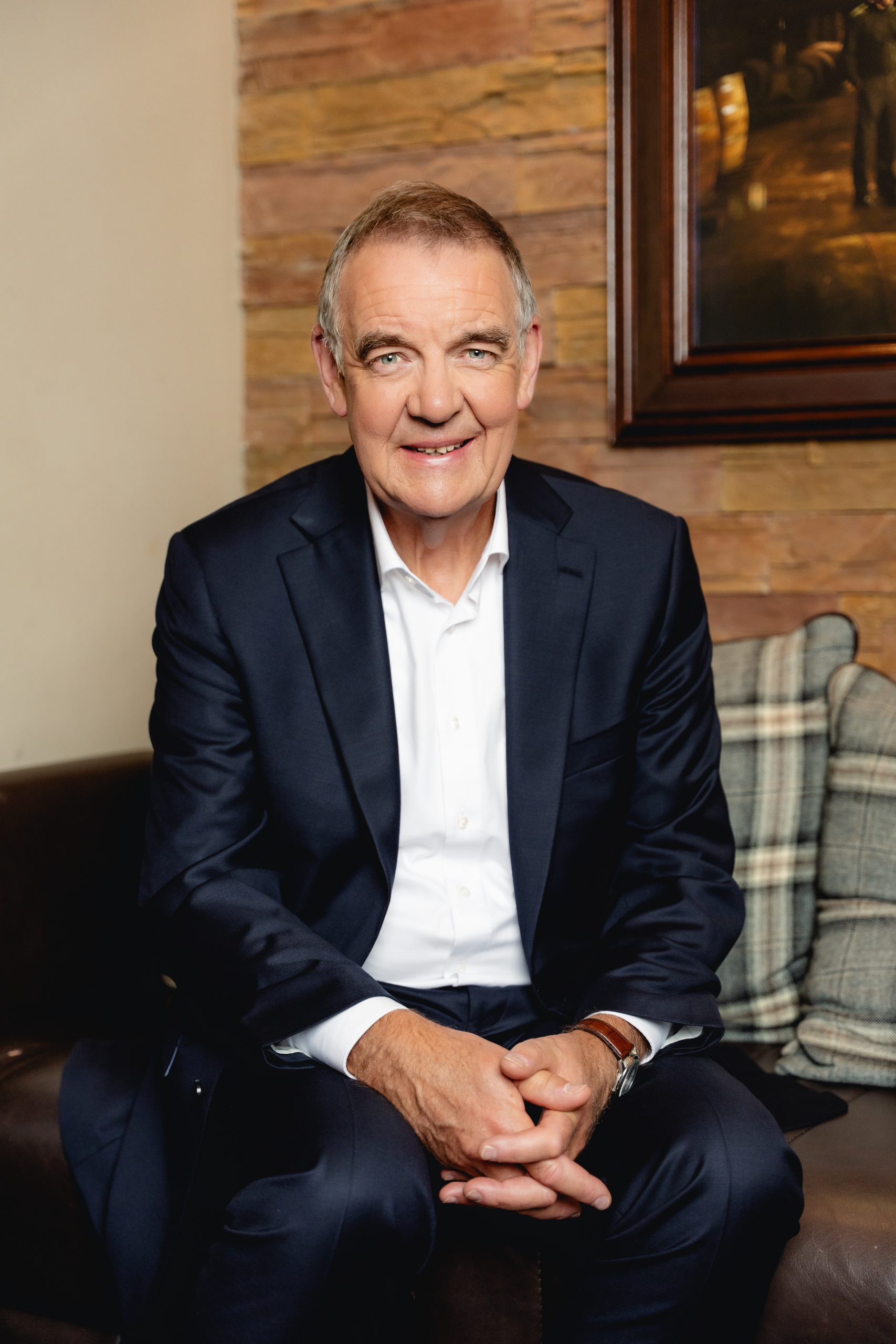
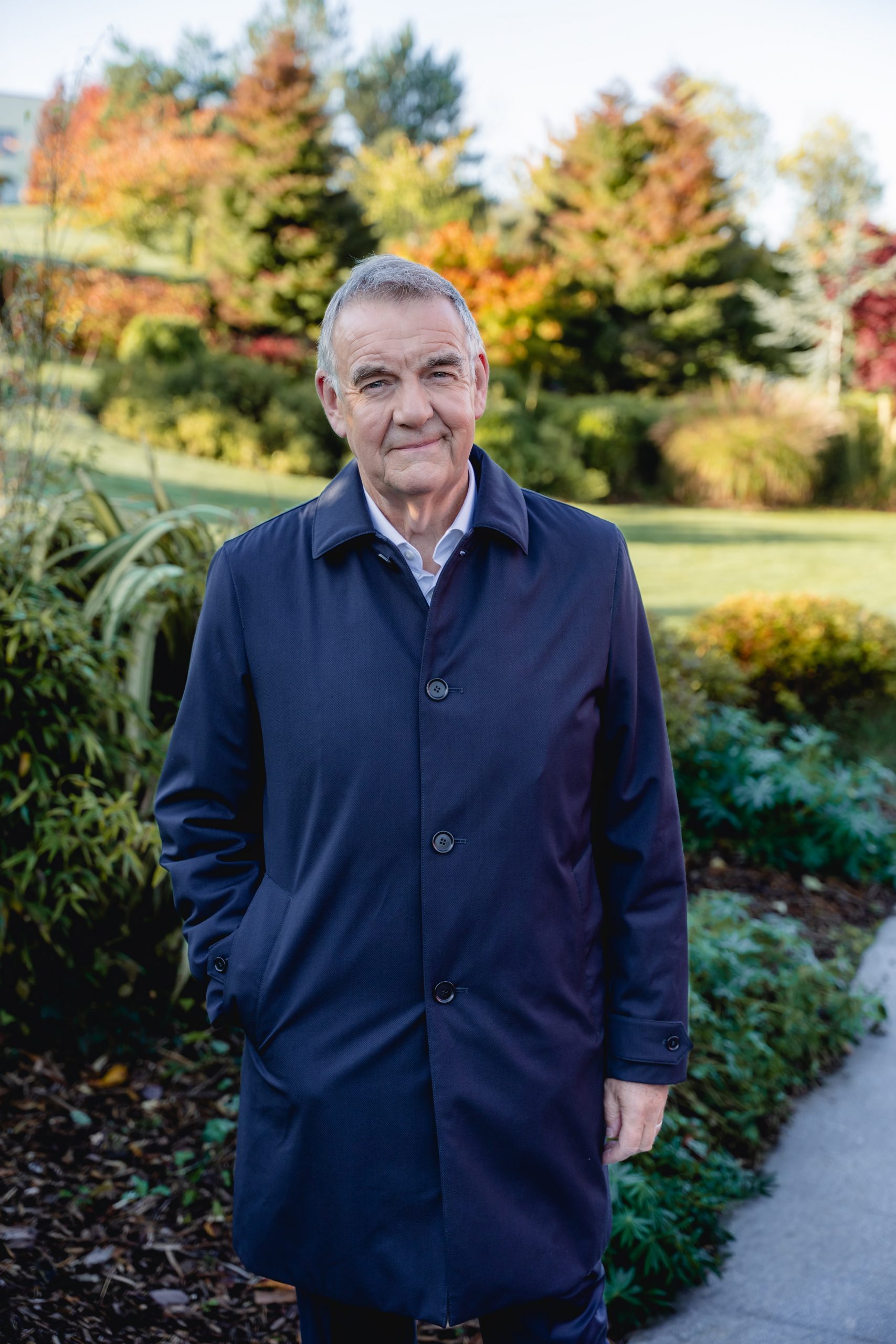
Bryan Dobson chats to us about life after RTÉ, the joys of retirement and sailing the high seas.
Hi Bryan! How’s life? What are you up to these days?
Life is just grand. I have good health, which is a great blessing and for which I am very grateful. I have good friends, lots of interests and I’m in the happy position that the day is too short to do everything that I want to get done or see the people I want to see and catch up with. My wife Crea and I also have two wonderful grandchildren who we love seeing and having to stay.
You retired two years ago this month. What is life like after RTÉ?
The big change was adjusting to a life without a regular and predictable routine. For all the years I was at work, thirty-seven of them in RTÉ, I had a work routine. Turn up, suited and booted, do the job and go home. Rinse and repeat. So, it’s a bit of a shock to the system not to have that routine in my life. I loved the variety in my job, that every day could bring a different news story to be covered, but the basic structure of my working day was predictable. Now, no two days are the same. I am on a number of boards and committees, mostly voluntary, but I also do professional work like chairing conferences and events, a little after dinner speaking, and some corporate and business media training. I’ve also written a few newspaper articles, and done some tv documentary work. I had to buy a larger diary when I retired to keep track of my appointments, not something that concerned me too much before.
Does retirement, in a way, bring great freedom?
Absolutely it does. Not having to be in work each day obviously gives me much greater control over my time. Sometimes I can just sit down with a good book and a coffee and not bother about anything else. But I would hate to be inactive or uninvolved, so I am very glad to have the commitments I do. I think it’s important to have obligations and responsibilities in life. It keeps you in good mental health and using whatever faculties you have. The difference now is I chose what commitments to make and when.
Do you miss the urgency of deadlines, the adrenaline of live tv? Any big stories you’re raging you didn’t get to report on?
I miss deadlines in one respect. They are how I get things done. I’m no good without a deadline which means I end up leaving too many things until the last minute. I guess it’s just a legacy of all those years working in daily journalism. But not once have I followed a big news story and wished I was up there on the screen. I had four decades in the business and covered as many big news stories as I could have wished for.
With world news so fast and changeable these days, are you happy to let someone else do the hard work?
It never felt like hard work to me. They say “find a job you love and you’ll never work a day in your life” which is exactly what I experienced. Going into work was almost always a joy, and never a chore or a burden. I hope my former RTÉ colleagues feel something of that. For someone like me who was in front of the camera or broadcasting on radio that’s particularly important. You must be excited and interested in what you’re doing because if you’re not the viewers or listeners will immediately detect that you’re bored or not engaged. And if the story doesn’t matter to the presenter or the journalist, why should the audience care?
Watching history unfold from your vantage point must have been a huge privilege?
Journalism, it is said, is the first draft of history. I read a lot of history and I’m not sure I quite agree but it can certainly give you a ringside seat at historic moments. In my own case that would include the election of Mary Robinson as President of Ireland, the end of apartheid in South Africa and the elections of Nelson Mandela, the Good Friday Agreement, every Irish general election since 1987, US Presidential visits to Ireland, Queen Elizabeth’s visit here, two Vatican Papal conclaves, and other stories too numerous to mention. And then sometimes as a news anchor or a presenter your job is to report as clearly as possible, and try to make sense of, some dreadful event which you know people are going to find alarming, shocking even. Things like the 9/11 attacks, the economic crash, the pandemic, the October 6th attack on Israel, the war on Gaza. Trying to explain not just what is happening but why it is happening is the job of journalists at a time like that.
Once a news junkie, always a news junkie?
I still watch, listen to, and read a great deal of news. But I think my interest is more as a citizen than as a reporter. By which I mean that when I was working I would think of a news story in professional terms, will this be of interest to people, who might we interview, what questions should I be asking to find out more. Now I follow stories with less of that professional perspective and more as a member of the public.
What sources do you get your news stories from these days?
Online and from the radio mainly with some from tv. I subscribe to The Irish Times, The Independent and The Business Post, and also a great local paper called Dublin Inquirer. I rarely buy an actual newspaper. I listen a lot to RTÉ radio for news and current affairs, and also sometimes to Newstalk radio. I stick to established, trusted news sources because having worked in that sector I know it’s honest, truthful and not trying to manipulate me to serve some political agenda.
You left aged 63, after 37 years with the national broadcaster, were you nearly institutionalised?!
No more so than anyone else who works for a long time in the same organisation, I suppose. If the definition of being institutionalised is that you struggle when you find yourself on the outside, then I would say not all. I always had a life and friends outside RTÉ, so leaving that part of my life behind hasn’t been in the least difficult.
You’re a grandparent to two little dotes; do they keep you busy, Bryan?
Miles and Lucy are our grandchildren, aged four and a half and one year old respectively. They keep their parents busy mostly, but we help out when we can.
Your escape is sailing, we hear. What is it about the ocean that draws you?
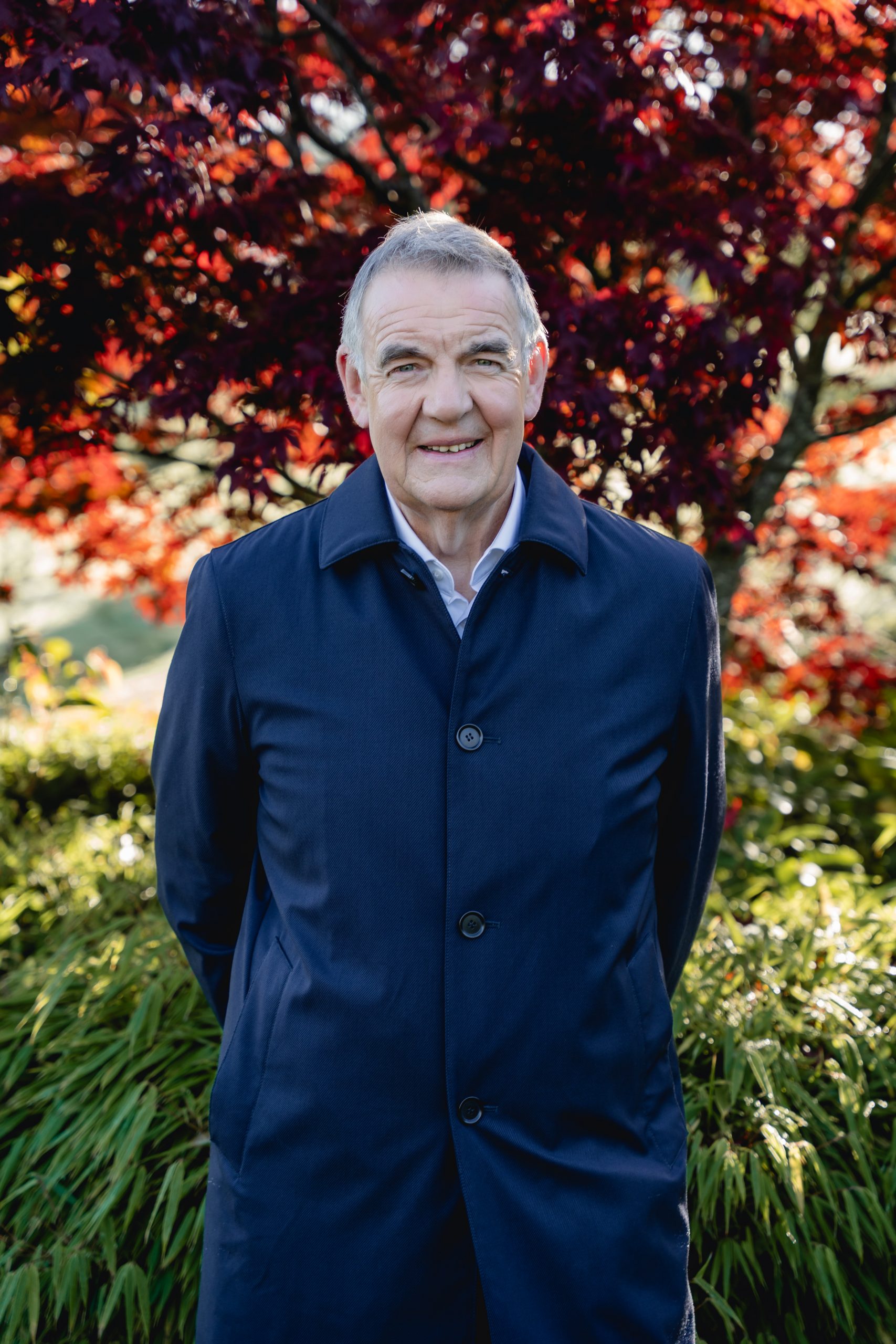
The endless possibility, the adventure of sailing over the horizon, and the challenge of weather, and wind. Arriving in a small harbour at the end of an exhilarating day on the water is such a delight. And I have great sailing buddies, people I might never have met or become friends with other than through sailing. We Irish live on an island and I wish more people had the opportunity to enjoy the experience of being on the water.
Any sailing trips coming up this summer? Or any holiday plans you’re looking forward to?
I hope to be sailing along the south and south west coast of Ireland this year, after having spent some weeks in the north east and Scotland in the last few years.
Tell us something about you we might not know.
I get seasick on a boat in bad weather.
We believe the devil is in the detail, so tell us, what’s your favourite dish, your favourite thing to do (bar sailing!) and your favourite thing about your wife.
Scrambled eggs and smoked salmon is my rare treat for a special start to a great day. I love walking the laneways and hills around our holiday home in county Leitrim. There are so many things I love about Crea that it’s hard to pick one. Her patience, understanding, wisdom and kindness are among the many reasons I love her.
You say you try to live in the moment; how exactly do you practice that?
I try but don’t always succeed. I think as you get older it’s better to enjoy or at least try to appreciate what you have rather than worry about the future.
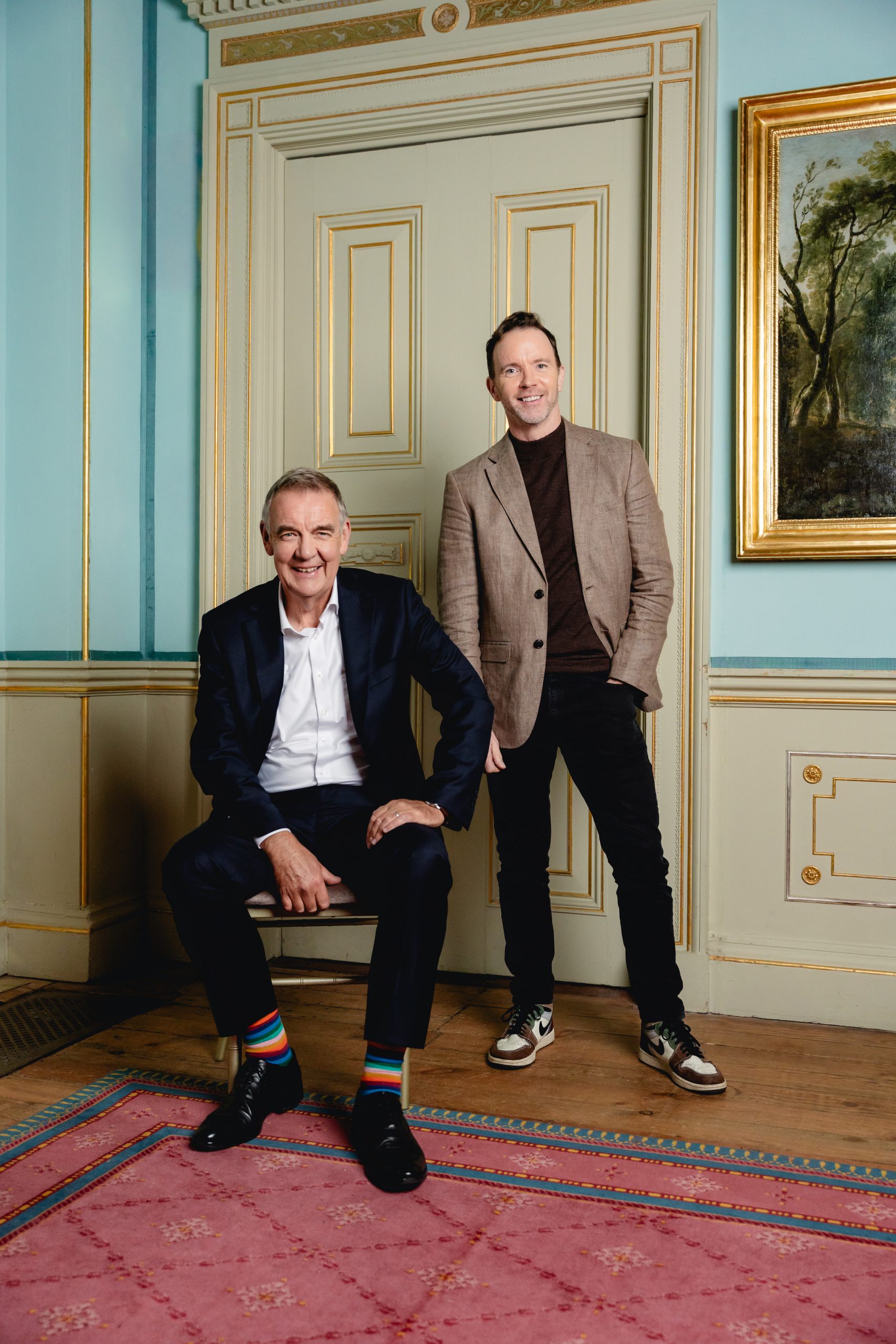
This new project you’ve done with Dermot Whelan sounds like a really interesting series. Tell us a little about it.
It is a programme called Museum of Me, produced for RTÉ with the first episode featuring me due to go out Sunday, May 31st, at 8.30pm. The programme makers asked a number of contributors (Maia Dunphy, Steve Garrigan, Mary McEvoy, Emma Doran and Pat Shortt) to pick out three personal objects which mean something to them, with at least one having fallen into disrepair and needing some restoration. Dermot is the presenter and guides us expertly as we introduce the items, which are then taken away to be worked on. The programme concludes with the restored items on display and our reactions as we look at these memorabilia given the full museum treatment.
Talk to us about the objects you chose and why you chose them.
I chose my grandfather’s first World War medals and my mother’s Singer sewing machine which belonged to her mother, neither of which needed restoration, but also a small bookcase which my father made in a woodwork night class before I was born and was in need of some TLC. The programme also features a few mementoes from my time in journalism.
It must have been a sentimental show to work on?
You could have knocked me over with a feather when they brought me into the museum display. It’s extraordinary and a little unsettling to see part of your life, and your family’s life, laid out as museum exhibits. The restoration of my dad’s book case was fantastic and very moving for me. I have a few more of his creations which could do with some restoration so if there’s a series two…….!
You’re signed up! Tell us Bryan, even though you’re retired you’re dipping your toe back in, have you anything else coming up?
There are a few projects in the ether but nothing definite right now which is fine because the summer is at hand and I’m looking forward to long sunny days, some sailing, bracing walks, fun with our grandchildren, time with our own two adult daughters and time with each other.
What are you off to do now?
Crea wants to see The Devil Wears Prada 2. I’m not sure it’s my thing but we might give it a go.
Thanks for chatting Bryan! Mind yourself, and talk soon!
Mind yourself too!