



Ellen Keane is always a breath of fresh air when we speak to her. She’s best known as a Paralympian, bringing home a bronze and gold medal during her career.
Now she’s hung up her swimhat, she has stepped into the role of TV, including being a new coach on Ireland’s Fittest Family and public speaking.
She explains to us that she is hoping to create a space for teenage girls who have limb differences just like hers. “It’s something that I really needed when I was that age,” she tells us.
We speak to Ellen for the Back Your Body campaign about living with an autoimmune disease, finding her space and being a role model…
Why did you get involved with the Back Your Body campaign?
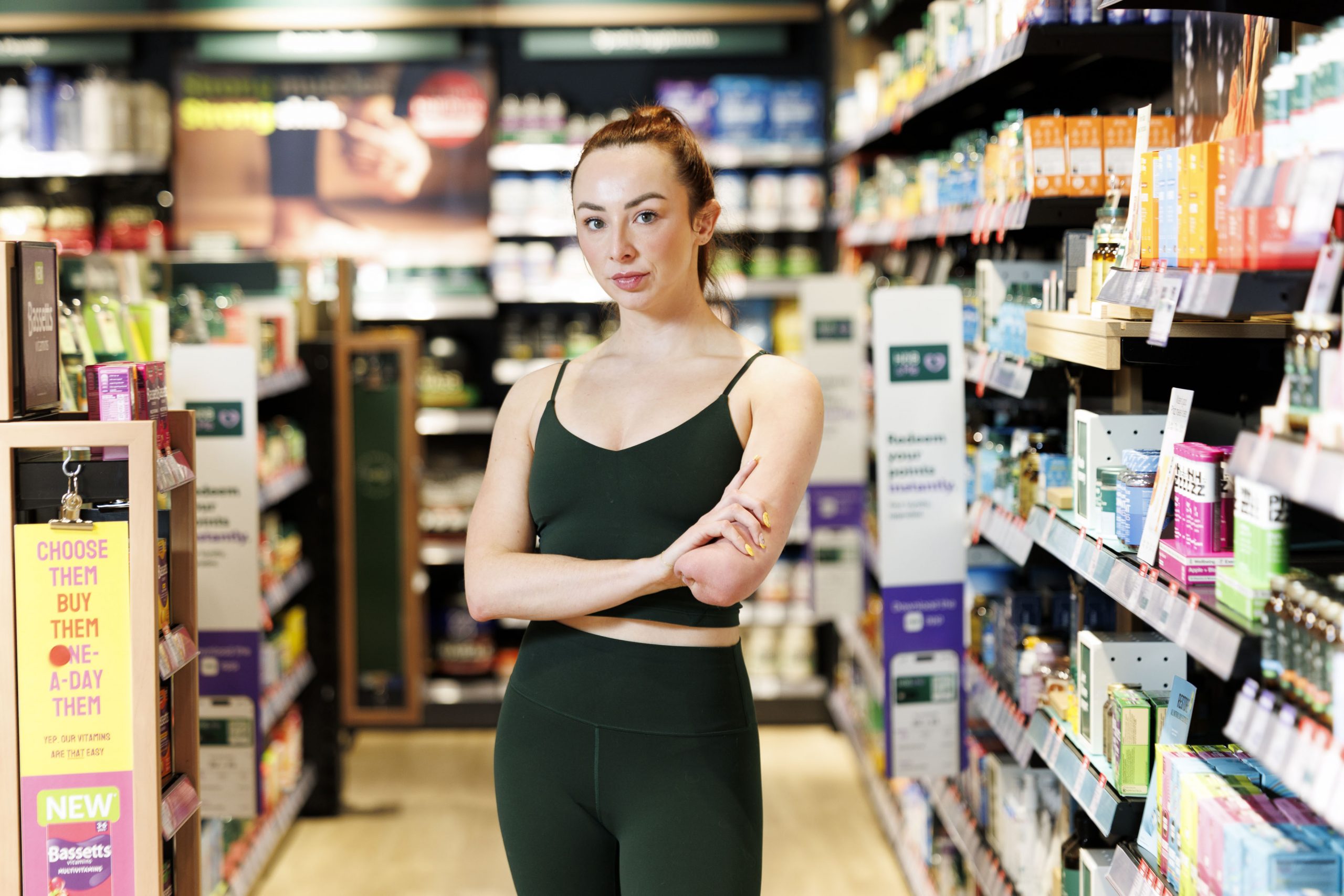
When I was an athlete, I had a whole team behind me. I always had people checking on me, making sure that I was doing all the right things. And then when you retire from sports, it’s almost like you have to learn how to look after yourself. And it can be a weird one because you’re so used to always having a team behind you. Just because you’re not an elite athlete doesn’t mean you shouldn’t have that team behind you. So when I got approached by Holland and Barrett, and I learned all about what they were doing, I was really excited because it was kind of like having a team back. When you go into Holland and Barrett, there are so many products, and you get so overwhelmed by it all. You go in, say you want a wellness check-in and then you’re greeted with this person who has so much knowledge.
You opened up about being diagnosed with Celiac disease recently.
I’ve been a celiac for a year now. So I have to navigate that world, and I’m always having to read labels. I’m always having to double-check and triple-check everything. So when she asked me what my wellness needs are, I said that when I’m Celiac, what I’m trying to get my fibre up and with the weather in Ireland, I’m aware I might need some vitamin D. But like she knew all of the products straight away about what was gluten-free, what wasn’t gluten-free, what was suitable, what wasn’t suitable. I know a lot about nutrition because I did a culinary degree, and I know a lot about supplements. But I didn’t know certain things, like the timing of things. Like this girl had like little hacks that I didn’t even realise. I got a probiotic, and she told me to take it at night time because sometimes a probiotic can make you a bit gassy. So if you take it at nighttime, you’re still getting the benefits, but you’re not getting like gassiness in public. Another thing that surprised me is that you shouldn’t take your supplements right after having tea because it can deactivate whatever you’re taking. So you should wait half an hour and then take your supplements. There’s no glamorising of nutrition.
It’s also Limb Difference Awareness Month. Talk to us a bit about the importance of using your platform to speak about this.
It’s a weird one because I’ve always felt a little bit awkward about the whole influencer space. I didn’t really know where I belonged in it. I was an athlete, and I’d done a lot of TV, I feel like everyone feels this pressure to kind of post the same content. And then you get lost in it. And then you think is this actually making a difference to people? But that’s what the job of an influencer is. It’s supposed to try and influence people in a good way and educate in a good way. I always knew that April was Limb Difference Awareness Month. So this year, I was like, I’m going to try and be a little bit more open, a little bit more vulnerable. I took for granted the impact that my sporting career had on people. Now I’m not doing it anymore, I’m not really getting that opportunity as much to put myself out there. I have to do that myself. Whenever I’m walking my dogs, I have moments of clarity. And I thought about how people ask me what happened to my arm. I have no problem talking about it on my Instagram, or in the media or when I am going into schools. But when I’m just out walking my dogs, what gives a stranger the right to come up to me and ask me what happened to my arm? I’m quite a confident person. Nothing really fazes me that much, but I still feel like I have the right to live my life like everyone else and not have to be asked that question by strangers. I also started to think about people who acquired their disability and how hard it must be for them to constantly have questions and constantly be reminded of what could be a traumatic experience. So I started making content around it this month. I feel like I have a space there where I’m like really excited to post because even if one person reads it and feels seen. It’s important.
It’s also inspired you to do workshops, right?
At the end of April, I’m hosting a workshop for teenage girls. I did a call out earlier on in the month looking for teenage girls between 12 and 17 who have the same arm as me. And I was only able to find seven girls, but I’m doing a workshop in Google, and it’s going to be a confidence-building thing. It’s something that I really needed when I was that age. So that’s what I’m building up towards as well. So I’m really excited about that. It’s just normalising it. If I could only find seven people, and I’m quite like out there in the media, how are they supposed to find each other? So I just really like the thought of having each other, them meeting each other. I’m really excited for us all to come together and bond over our unique bodies, but also give them a little bit of, I don’t know, knowledge that I’ve gained over the years. Because that’s what I wanted to do with my book. And I feel like my book made a difference. Now I want to make it a little bit more niche for people specifically who look like me, and then maybe expand it.
You mentioned being retired from sports, but you’ve moved into the world of TV. How has that been for you?
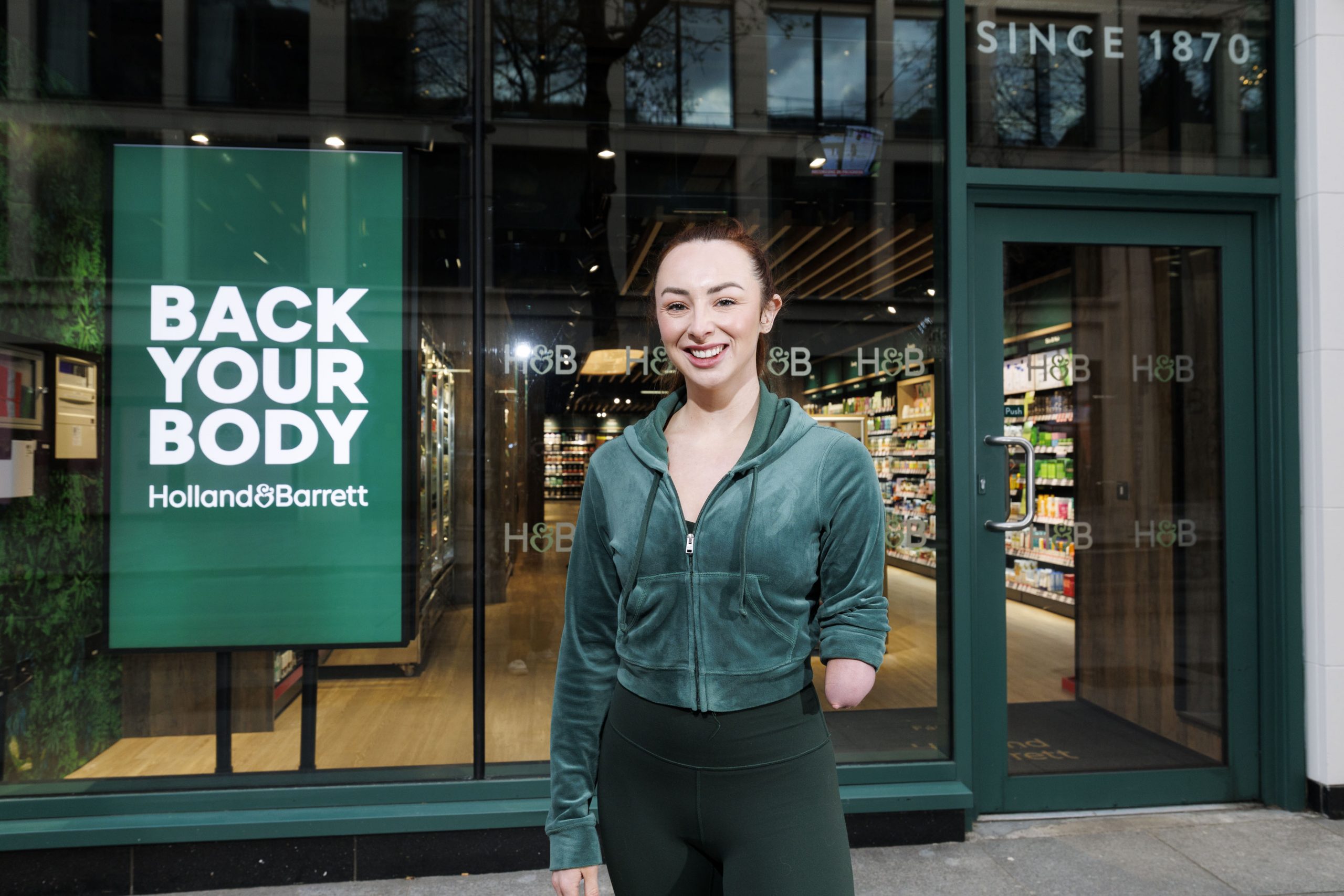
I love it so much. It is that bit of pressure that’s on when you see the record button. You have to be on, and you have to be correct in what you’re saying. You can’t just talk shite. And I’m really enjoying it. It’s that little bit of adrenaline that maybe I’m missing, being a retired athlete. But it’s also giving me an opportunity to explore different sports. I would have been so much in my swimming bubble and I wouldn’t have really known that much about other sports. I did my internship at RTÉ last year, and I got to work on a lot of women’s sports events. I am presenting a whole variety of different sports. I guess I got a little bit more excited when I have to talk about the women in sport because I’m like, “Yes, let’s go girls”.
Before we let you go, what’s next for you?
I’m just trying to enjoy the content-creating side of things and the influencing side of things. I’m doing a lot of MCing and public speaking as well. But I think just leaning into the niche of trying to make a difference in my own space and trying to make a difference in society as a whole. I’ve always gone on about being an advocate for people with disabilities, but I actually feel like there’s a little bit more meaning in what I’m doing now. And so I’m really enjoying that.
The Back Your Body Commitment will provide up to 25,600 free Wellness Check-Ins per month, with more than 400 trained Wellness Champions offering science-backed, personalised advice across key areas including sleep, energy, stress, gut health, and immunity. The initiative aims to cut through complex information, turning it into simple, actionable steps so people can act on their health needs earlier, not just when something goes wrong. Find out more here.


