




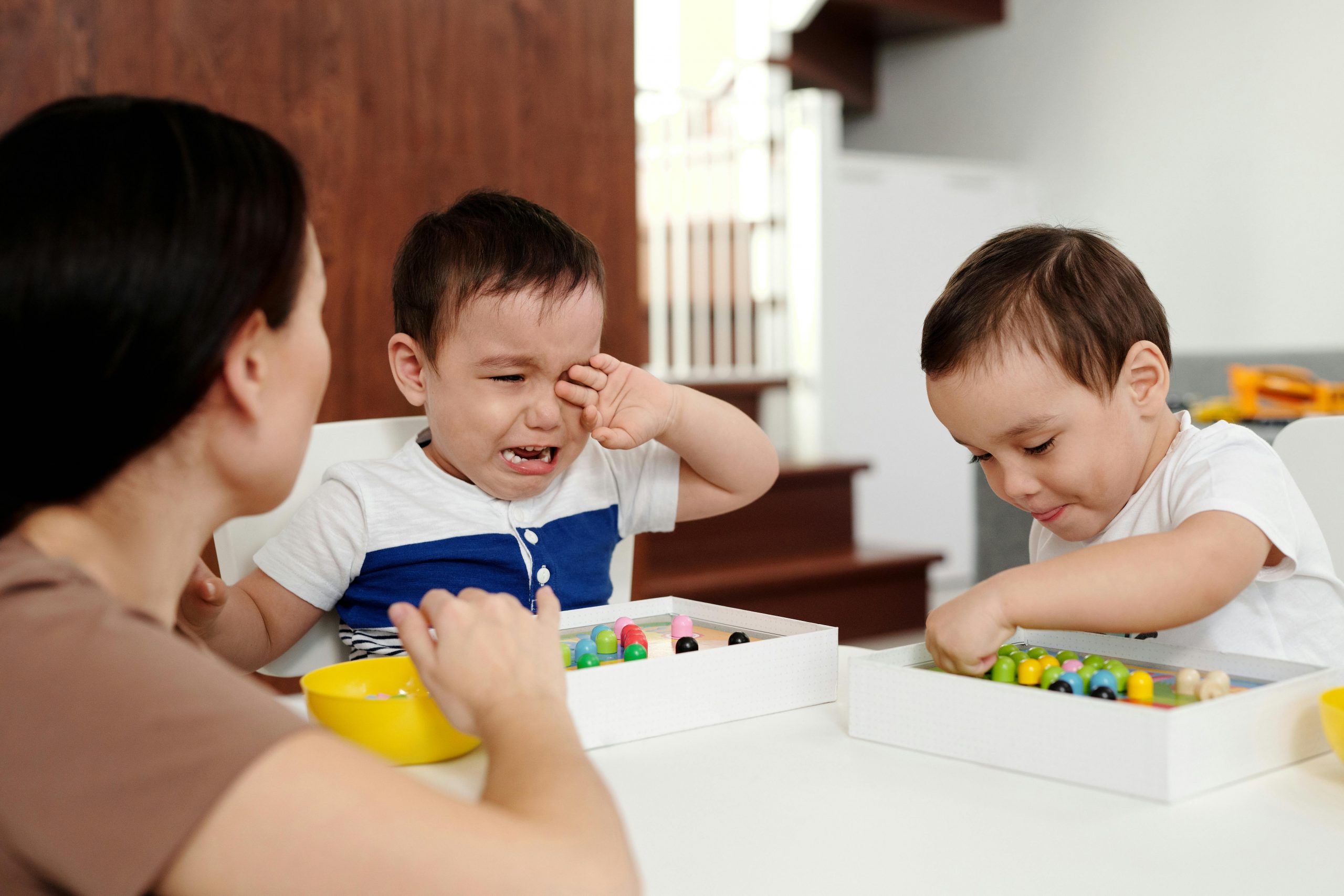
Toddler Meltdowns are real! They can feel so intense and overwhelming for parents. They can feel like they are on repeat, they can start over something so small, escalating so quickly and they can happen anywhere, at any time of the day or night!
They can happen at particular times, like when they return to your care after a day of ‘being fine’ all day in child care or just, all the time – any time! Whenever they happen, they can sometimes feel overwhelming and exhausting for parents!
What is really important in helping you manage them however, is how you frame them. The key is to try to stay calm so you can respond rather than react.
Barnardos Toddler expert Clodagh Carroll is here to help with advice on how to deal with meltdowns.
Meltdowns are not bad behaviour: If you view a meltdown as bad behaviour it can be quite difficult to get past the issue. Meltdowns are not bad behaviour. They’re your toddler’s way of expressing a big emotion that they are having in their body but don’t yet have the skills to understand or deal with.
They are not coping: Your toddler is having a feeling bigger than themselves – like anger, sadness, fear, frustration. They don’t know how to understand it, to tell you about it or how to deal with it and so, their body literally melts down as they become dysregulated. They need your help to calm and regulate in the moment. They need your calm presence.
Meltdowns can feel overwhelming: It can be really hard to stay calm and not react to a meltdown in the moment, especially if you are in public, trying to go somewhere or get something done. Meltdowns can be quite triggering and can overwhelm parents at times too- this is natural and all parents feel it.
Parents often want to teach or ‘give out’ to their child during a meltdown as a way of ‘improving their behaviour’. When they are melting down however, toddlers can’t take in instruction – they literally can’t hear you – their brain and body is in short circuit.

Check in on yourself: As hard as it can seem, it’s important you take a second to support yourself to regulate, so you can help them get there too. If you need to, and if they are safe in what they’re doing, pause before responding – take a deep breath and a moment – so you can respond rather than react. Remember – the meltdown is that they’re not coping rather than not behaving.
Name the emotion: Name what you see. “I can see you’re feeling really angry, I see you are struggling and I am here to help you”. “I know that this is really hard for you”.
Time and support: Responding, rather than reacting to a meltdown can take time, which is something parents often just don’t have a lot of. This can be so hard for parents who are feeling overwhelmed, in a hurry or observed by others.
If you can, try to sit with the meltdown: Where possible for you, help them through it by sitting through it – with them. You can do this quietly, beside them.
If you’re in a public place: maybe you can stay where you are or move them to a place that is easier for you to give them time and support. If they’ll let you hold them, you can pick them up and reassure them. The key is – where possible- try to stay calm until it passes. They are learning how to behave from you.
Reconnect: After the meltdown has passed and your child is coming back to themselves, as parents we can often be left feeling triggered, dysregulated or upset ourselves. Try to remember what’s just happened is learning for them. Try to help them (and when they’re ready – let them move on). Your child will quite likely seek connection with you after a meltdown. A hug, a sign that everything is ok can really help in these moments to bring them back into their regulated selves as the emotion passes.
After this, move on. Let them get back to being a toddler bouncing around – help them get back to a game or a toy– until the next meltdown – then it’s rinse and repeat.
Going forward – Remember: their feelings are big and they are only small and still learning. By staying calm and helping them to regulate and move on, you’re teaching your child how to bring calm to their inner chaos, you are helping them feel safe and contained. They will soon grow and learn how to understand and express their emotions more readily.
Some Pre–Meltdown Regulation tips
At home
Lots of physical activity like swinging, climbing, crawling, going through tunnels can help keep your children’s bodies regulated, often avoiding their body going into meltdown when something goes wrong for them and the big feelings come.
Yoga balls are a great way of letting your child support their regulation by rolling/ bouncing on them.
In public
Where possible and safe to do so, letting your child carry heavy items, push the buggy or the trolley in the supermarket can help keep their body regulated.
Engaging with them in what you’re doing or what’s in the trolley can help keep them calm, distracted and entertained.
Try to manage your expectations of them. If for example, the supermarket is somewhere you find difficult, try not to bring them there if they are already tired, hungry or have been out all day with you, running errands. Give it the best chance to go well by picking your time well – after a nap and lunch and maybe limit it to the only activity you do with them that day that involves sitting still for long periods. Where possible, factor in some outdoor activity beforehand where they have the chance to run around, climb and play. Bring snacks and some entertaining toys to keep them going along the way!
This summer, more than 20,000 young children from crèches, playgroups, preschools, and families across the country will come together to support Barnardos Big Toddle. Sign up now to get your Big Toddle pack Big Toddle – Barnardos.
All funds raised directly support Barnardos’ Early Years Services where we work with some of the youngest and most vulnerable children, ensuring they get the best possible start in life. By joining our Big Toddle, you will be helping to make a real, lasting difference – because childhood lasts a lifetime.