



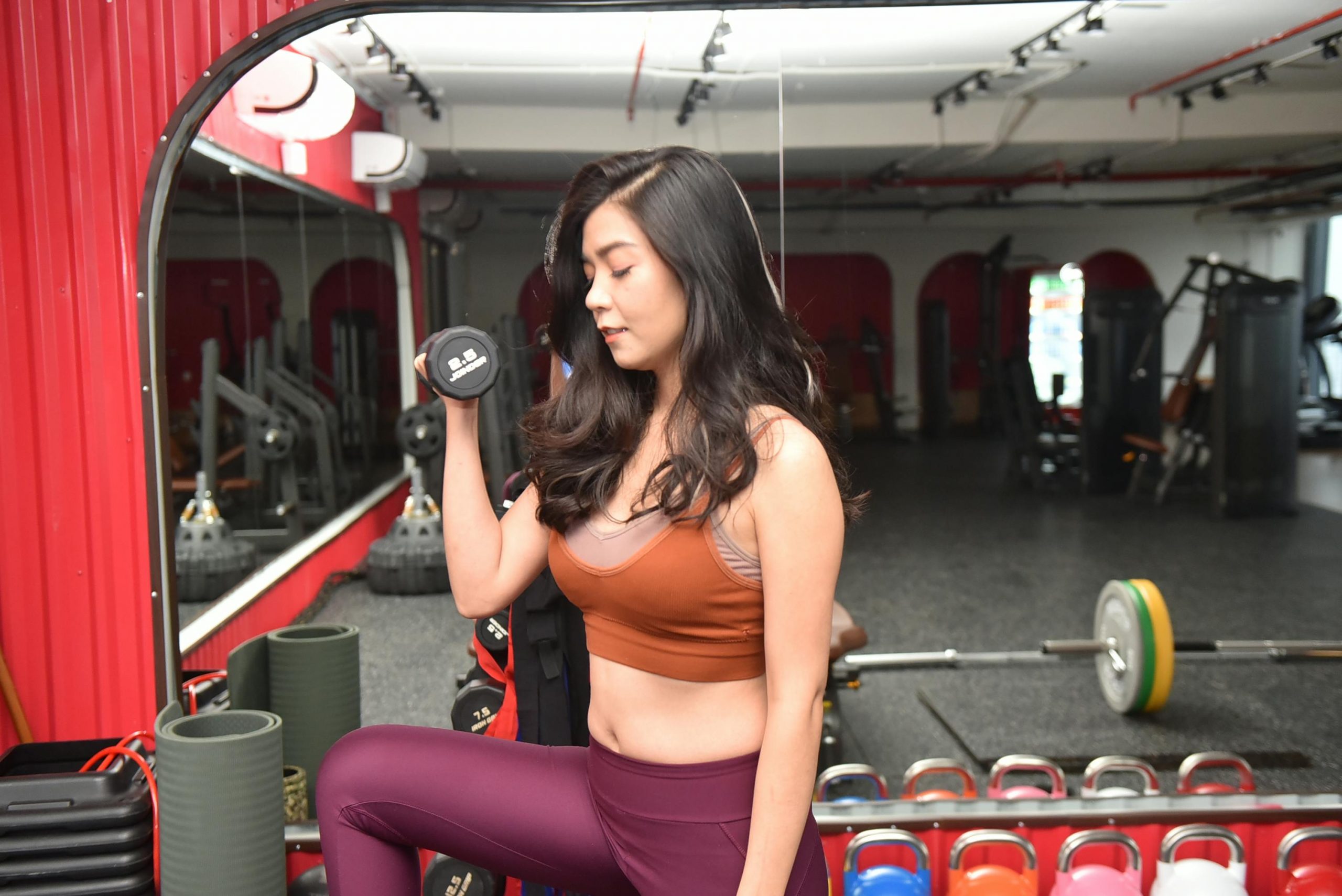
For most of us, we only view our menstrual cycle as the week when we get our period. If you’re trying to get pregnant, you may pay attention to when you’re ovulating.
But it is called the menstrual cycle for a reason. There are two other phases that we tend to ignore – the follicular and luteal phases. These phases also affect our moods, energy and body. Especially when it comes to our exercise routines.
We sat down with Emily Capodilupo, SVP of Research, Algorithms & Data at WHOOP, to find out the importance of paying attention to our menstrual cycle and the importance of weight training…

How does the menstrual cycle affect how we workout?
The menstrual cycle has two primary phases. The follicular phase begins on day one and goes up until ovulation, and the luteal phase is ovulation until your next period.
The weird way to think about this is between ovulating and getting your period- the luteal phase – your body is in the mindset of, ” Gee, I hope we get pregnant,” and so all your hormones start preparing for pregnancy.
Your body does not want to give away fat; it holds onto it tight for pregnancy and your energy levels tend to go down. Interestingly, we burn 500-700 more calories in the luteal phase over the follicular phase. We also tend to hold onto water more, leading to more bloating and our cravings changing.
Women tend to eat less from worry about this extra weight, when they actually need to be eating more. Our body temperature also goes up, meaning we sweat more, and while exercising, we tend to dehydrate faster, and fatigue comes quicker.
What are the best times for training?
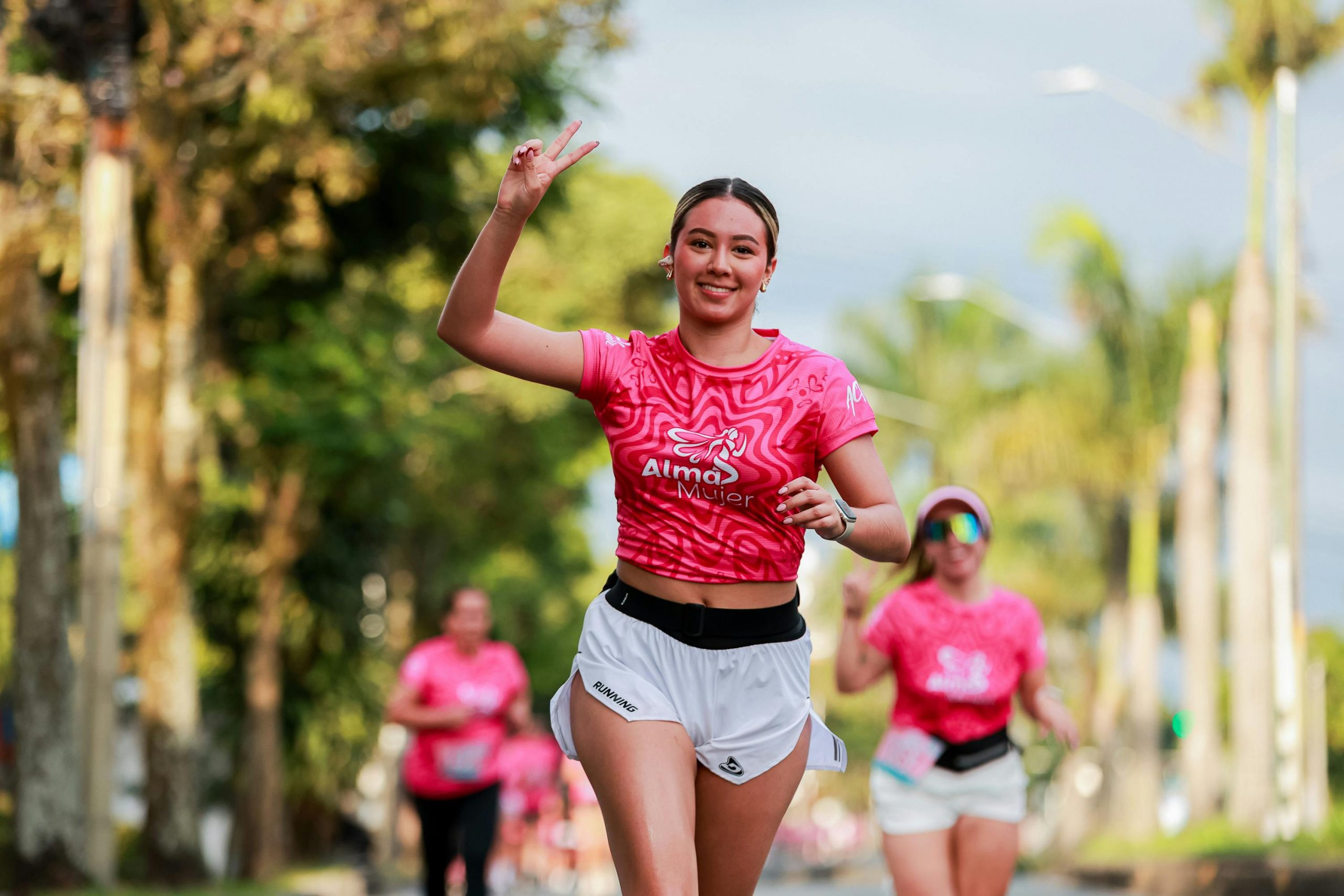
During the Follicular phase, we have the highest levels of testosterone, meaning we put on muscle really easily. You also shed all the water weight as you are not trying to support the pregnancy. Choleric levels have gone down, so you feel you have much more energy to exercise. During the follicular stage is when most personal records get set; it’s a great time to work out and work hard. We burn fat more easily as our bodies don’t feel the need to hold onto it.
What are the benefits of weight training for women?
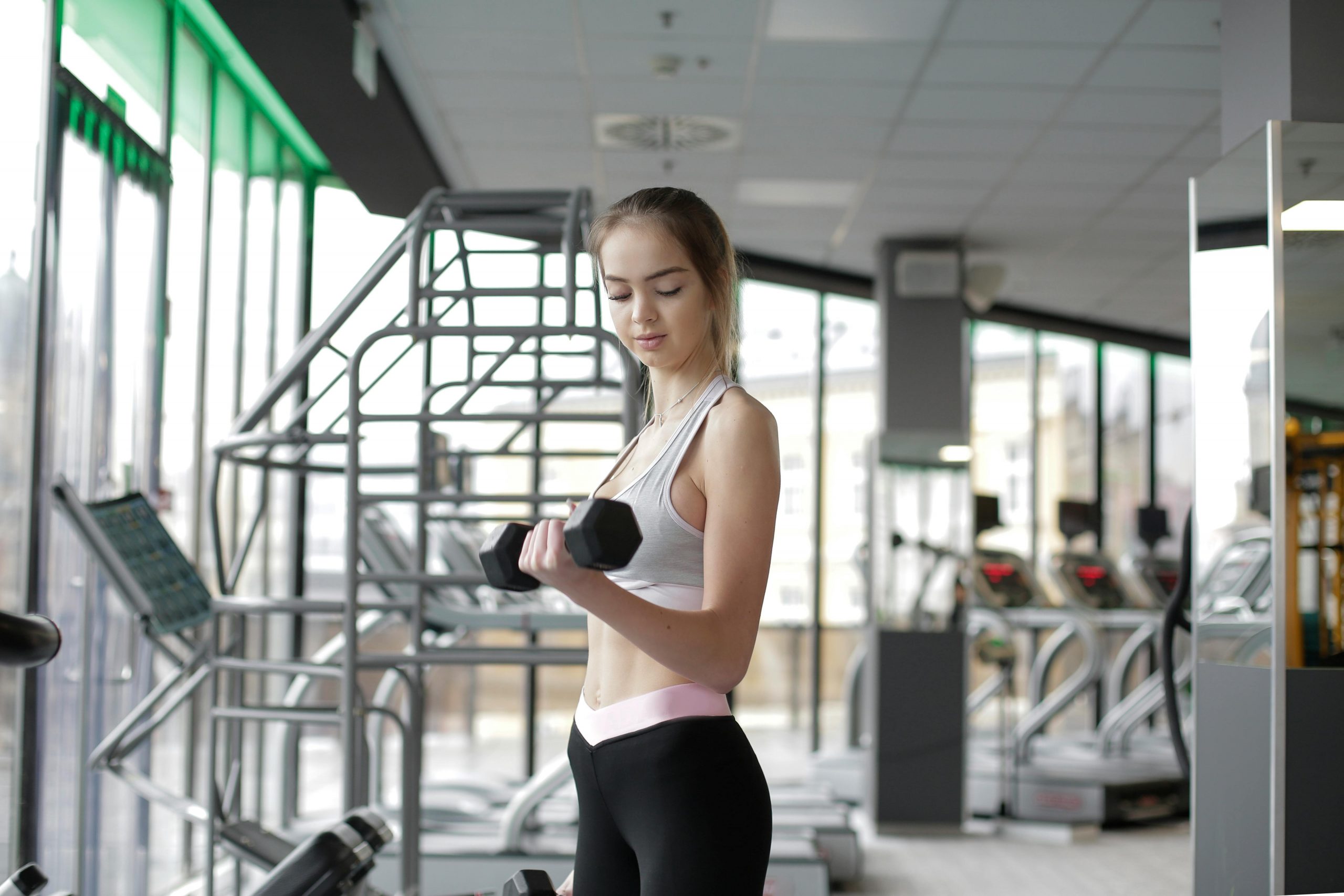
Heavy weights are so good for your skeletal system, as women, we need to be loading the skeletal system, preventing osteoporosis and protecting bone mineral density. Fewer reps of heaving weight offers better support according to studies.
It is so important for women to lift weights; muscles are an active metabolic tissue, which is our most significant storage system for sugar. We store glycogen in our muscles so your ability to stay metabolically healthy to prevent prediabetes is directly related to how much muscle mass you have.
The ability for our muscles to hold sugar in its sugar form so it doesn’t turn into fat is around 14-16g per pound of lean muscle mass. The more muscle you have the more you can buffer sugar. Muscle is also very protective. Muscles are more cushioning that fat, so if you fall with fat, you are more likely to break a bone than with muscle.
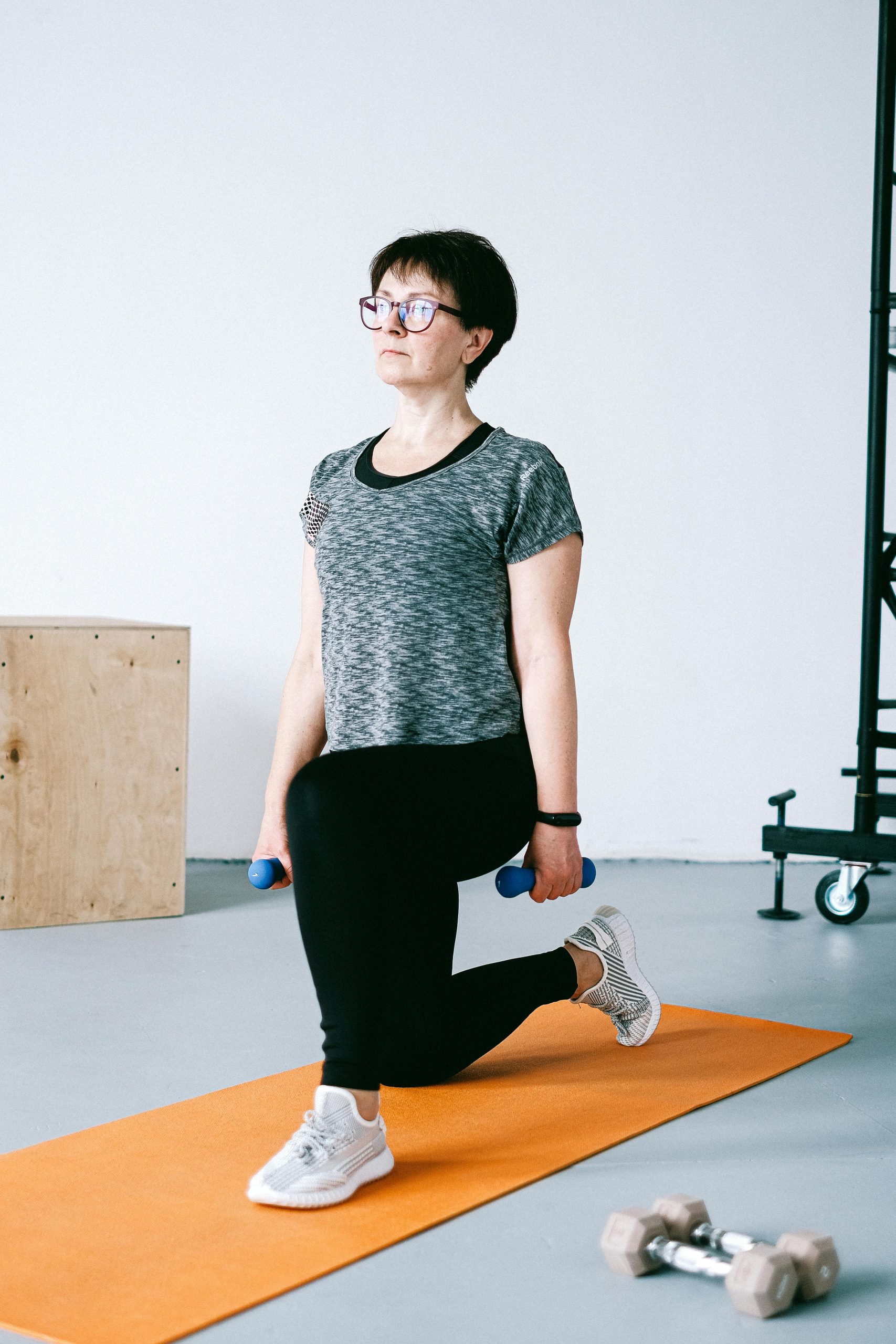
Muscle is related to independence; without intervention, we lose about 1 per cent of our muscle mass per year after age 30. At some point, when we don’t have enough muscle to do daily activities, we lose our independence. The more muscle we have, the more set up we are for old age. Box jumps are some of the best things you can do.
So how can we track our cycle?
Well, there are plenty of ways, but WHOOP has a feature called menstrual cycle insights, where it will tell you where you are in your cycle, and what phase you’re in. We want people to become aware of that (their phases). And what that phase you’re in means for you.
The feature also includes information on your symptom tracking; it lets you know when to expect your period for better preparation. It also gives you guidance on your phase and how you will sleep based on your personal data. It also has a designated AI helper for any questions you may have.
WHOOP is empowering women to move away from guesswork and towards a more informed, personalised approach to their health and fitness. Find out more information about WHOOP here.