


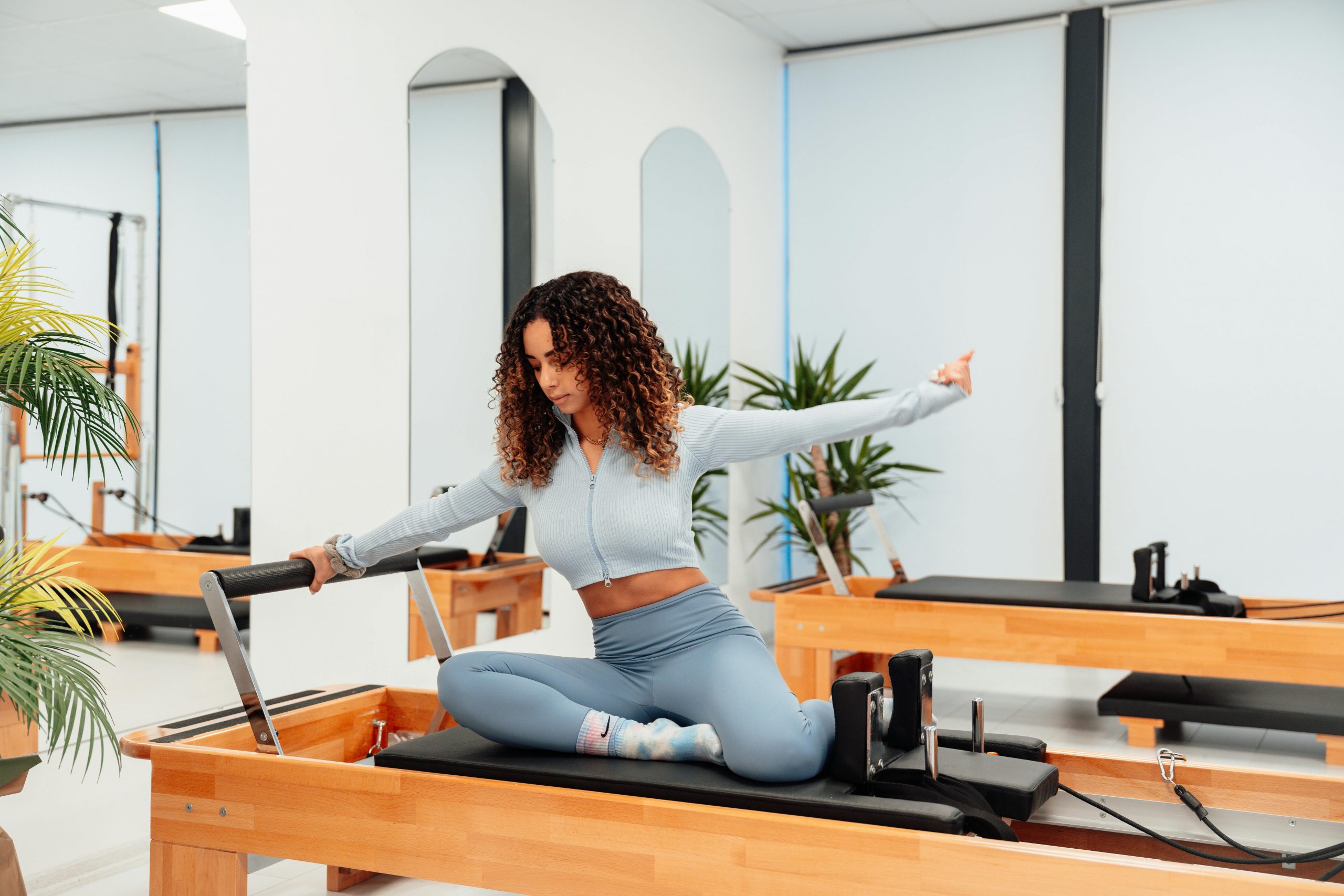
Pilates has been the buzzy fitness trend for a while now. And it can seem daunting to attend your first class.
Whether it be in a Reformer class or on the mat, it can be intimidating. But we promise it’s worth putting aside the fear to get to your first class, especially this time of year when we’re all starting new wellness journeys.
Pilates can strengthen your flexibility, you core and your overall body awareness.
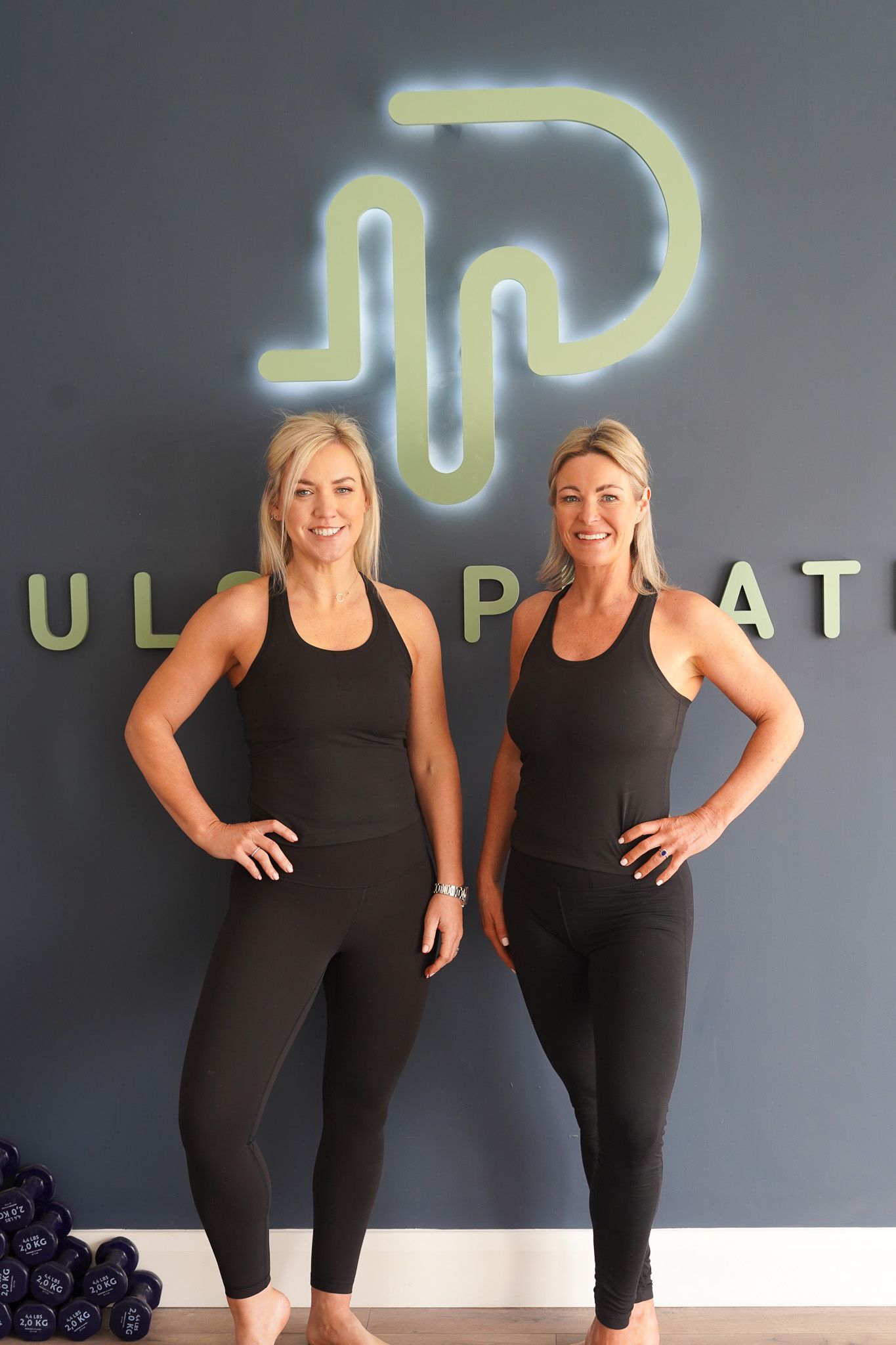
We sat down with Aoife Niall, one of the founders of Pulse Pilates to learn why desk workers should be booking their first class, why it helps with active ageing and why everyone can do Pilates!
Can everyone do Pilates?
In short, the answer is yes, everybody can do it. There’s a lot of stuff you see on Instagram, of girls with their matching sets and everything. I’ve been doing Pilates for about twenty years, before it was even popular, and it’s not that. The beauty of it really is that it’s inclusive for everyone. It’s become really popular with young people. But also older people, lots of new male clientele, and you wouldn’t have seen that before. I suppose people had this conception that it was for stretching and flowing, and it’s definitely not that.
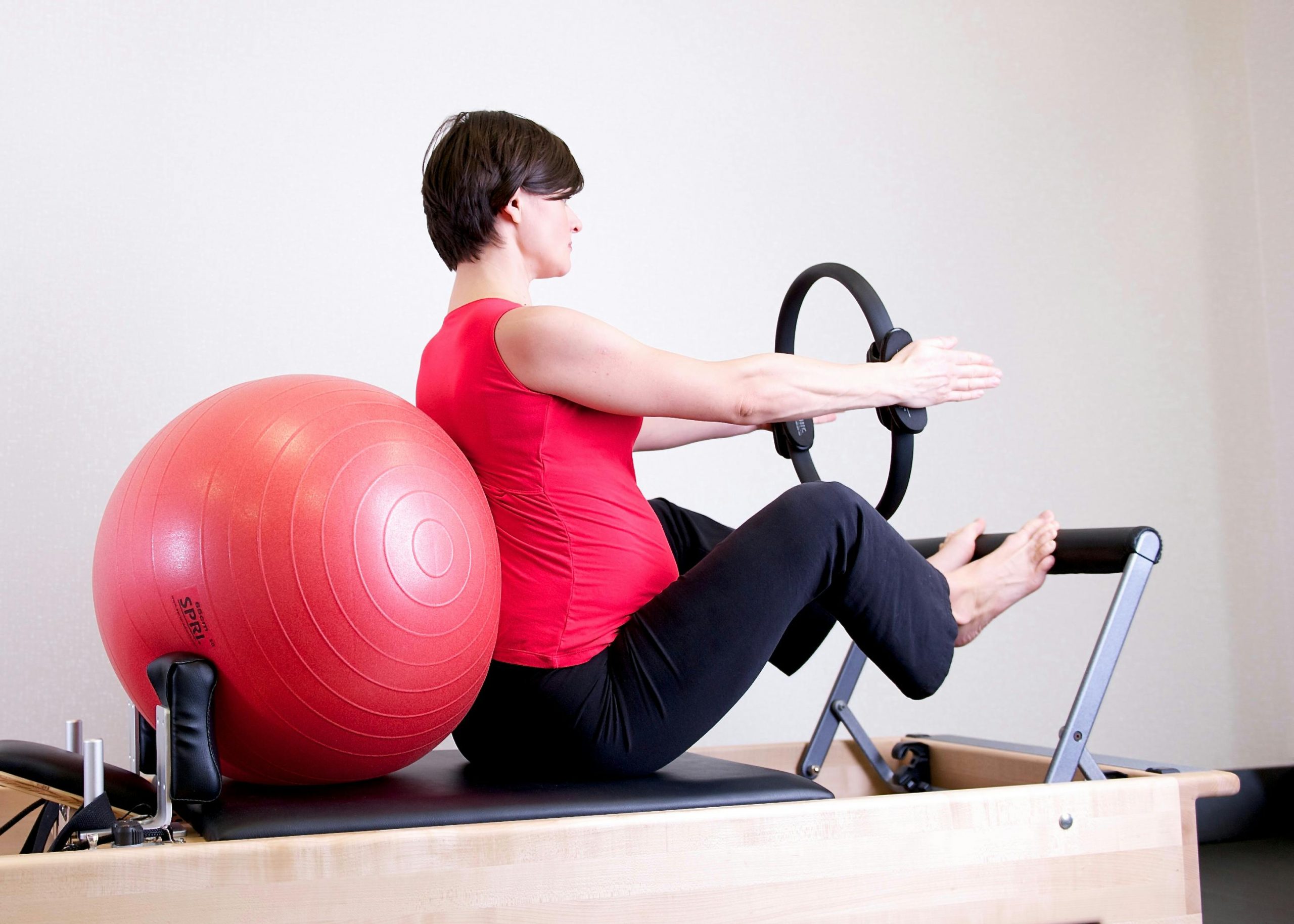
Lots of sports people are taking it up, we get a lot of golfers, runners and rugby players. It’s becoming a lot more popular as a complementary element for people who already play a lot of sports. It’s also popular for pre- and postpartum clients, as well as people who have injured themselves. Last year we had a client who had an ACL injury when she was skiing, and she used it for her post-operative recovery. We had another client who had a hip replacement this summer, and she’s come back to Pilates.
We can adapt and modify exercises to suit each person as opposed to the class. We see the client as an individual; we don’t just come in and say it’s one set session for the whole class. Somebody may be really strong on their legs, and somebody may not be, so we try to tailor the sessions to the person as opposed to the whole group.
Pilates and Active Ageing
Active ageing is something that people feel really passionate about; it’s hugely important. There are huge benefits. There’s a famous quote by Joseph Pilates that goes, “You’re only as young as your spine is flexible,” and it really rings true when you think about it. The more we do, the better we feel in our bodies and the more agile we are.
We talk a lot in our classes about functional movement. In Pilates, we use movement and resistance to build strength and muscles without overstraining our bodies. It’s different from the gym in that way. The Reformer machine is adapted to the person, so it increases flexibility. Ageing can lead to reduced mobility and stiffness, and Pilates can help this by incorporating spinal movement in terms of flexion, extension and rotation.
You might see an older person with that kind of stooped over posture, so this exercise can really help open up the body, increase flexibility in the spine, increase your core strength, which will make your body feel stronger and improve your posture.
When we talk about functional movement, I think of my own mother lifting her shopping bags into the car or into the house, lifting her grandchildren, carrying her luggage through an airport. Things that when you’re younger, you might actually take for granted, but as you get older, that stuff becomes harder. Pilates also improves your balance. You hear of a lot of older people just falling over or losing their balance. It can be a simple accident, but if you can’t catch yourself in that fall or if you fall badly you can actually do proper harm to yourself, which creates its own difficulties as well.
People underestimate how much they can do as they get older. Another thing about ageing is the effect on our cognitive function that it can bring. One of the principles of Pilates is concentration, so you come in, and you concentrate, you connect with people and friends, you’re learning a new skill basically, so all of those things are really important.
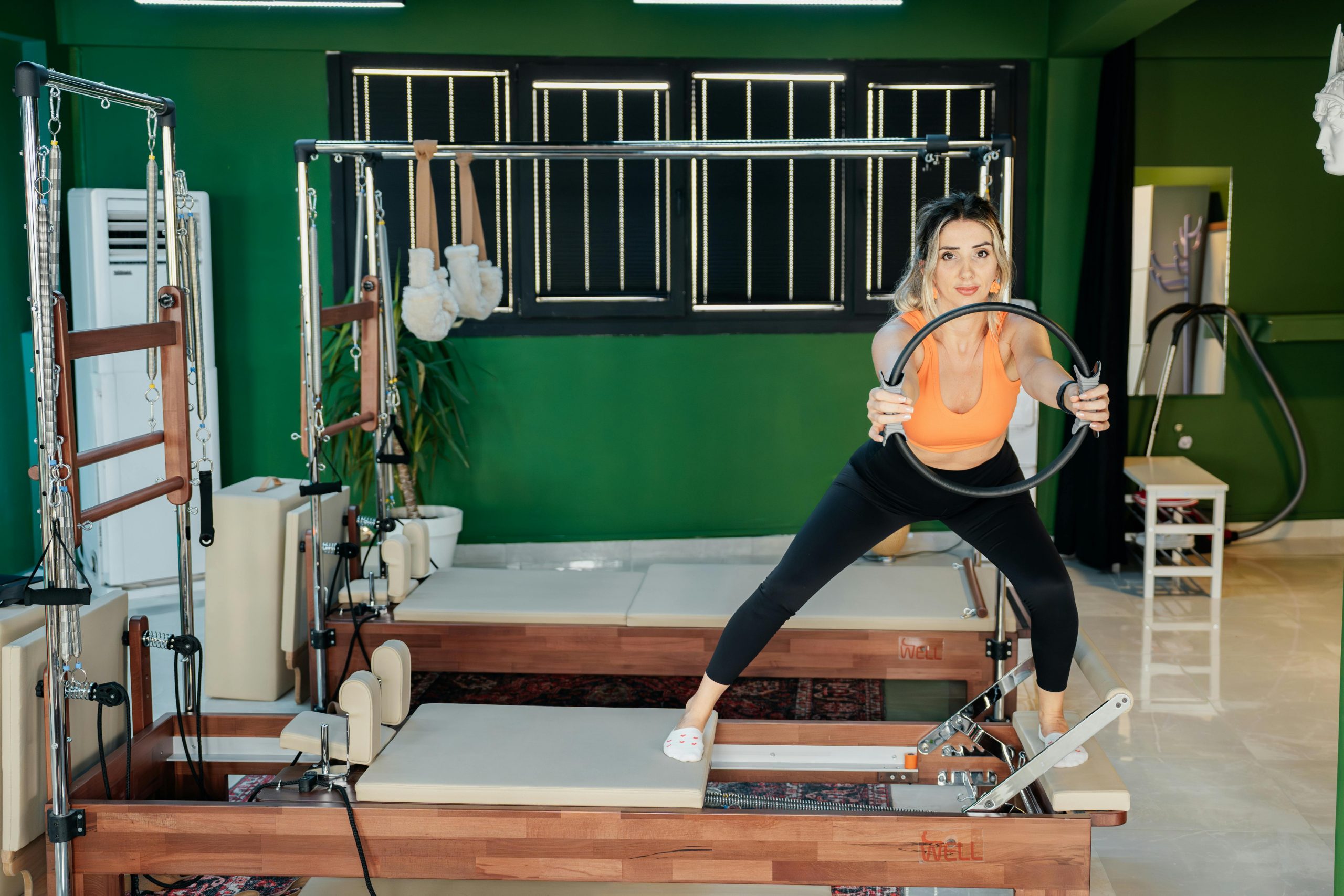
Pilates for Desk Workers
We underestimate the amount of time we spend hunched over. You could be sitting at your desk for eight hours a day, and then if you get on the train for another hour commute home, and you’re looking down at your phone the whole time, I think they call it ‘tech neck’. I think it’s becoming a really big issue. People talk about a pain in their neck or their shoulders, headaches, stiffness and pain between their shoulder blades, even difficulty sleeping. Just from literally being in that position.
We always focus on range and movement, opening up the body, extending our spine, and allowing for better balance and posture. You leave the class a little bit taller, and you create that length in your body.
We also focus a lot on the core. The core is really important; it’s what we call in Pilates the ‘powerhouse’ of the body, and it supports our back. So a lot of people come in with bad backs or lower back issues, and that again can just be from sitting at a desk all day and being in that stooped position. Pilates creates strength in the back, and with a strong lower back, you improve your posture.
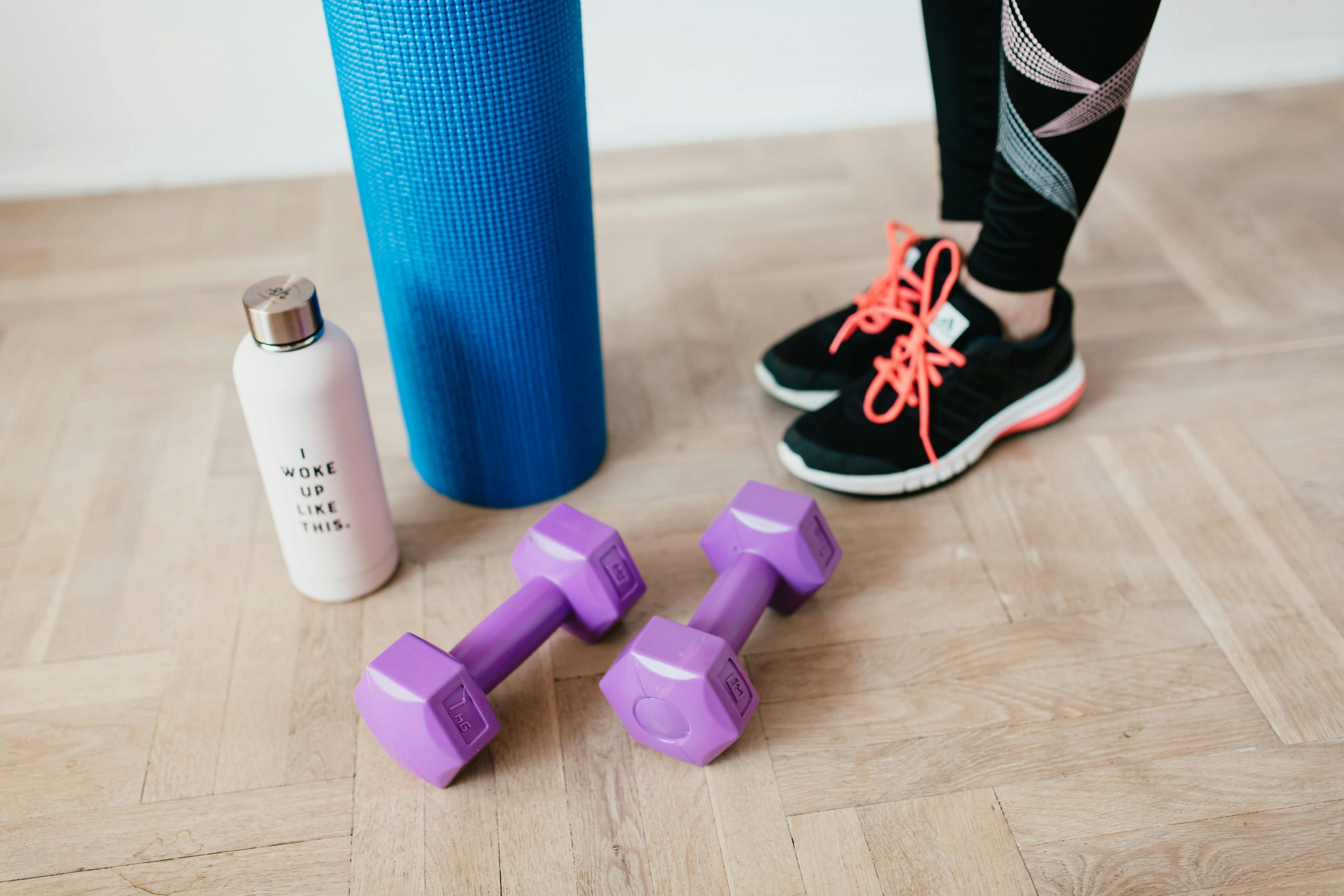
How often should we do Pilates?
People ask me how many times a week they have to do Pilates, and it’s kind of like, how long is a piece of string? Some people do it four times a week, some do it once a week. One thing I do say to them is that if you’re doing it once a week, do it consistently. Don’t do it one week and then leave it for another three weeks. If you can get the consistency, you’ll start to see the difference and feel the difference.
In terms of day-to-day movement, when it comes to pilates, there is lots of stuff you can do. There’s stuff on YouTube, stuff like opening up the body, forward flexion, reaching down to touch your toes. You can lie on your tummy and open up your back, draw the shoulder blades back and down together.
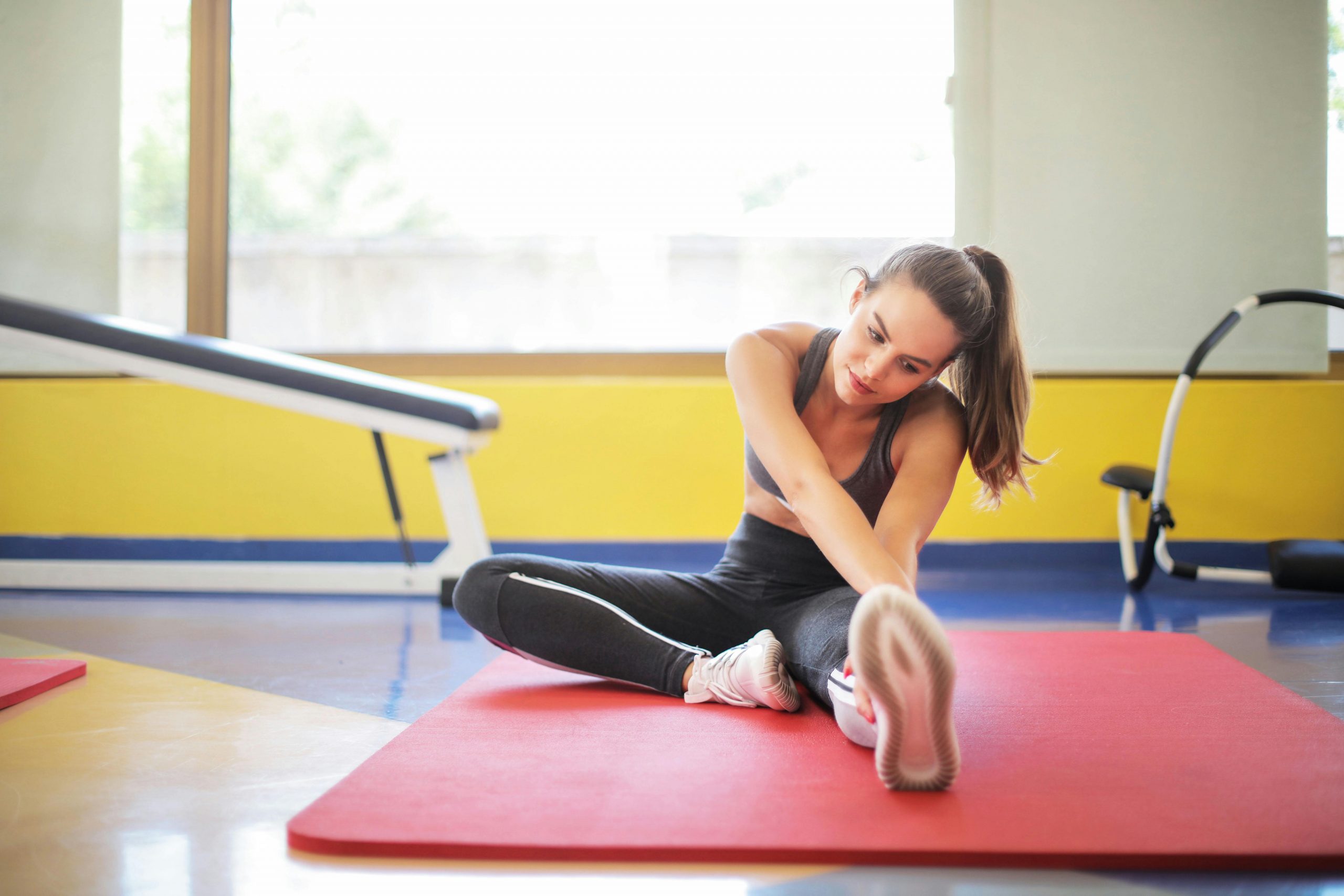
Advice for first-time Pilates goers
I see them coming in the door, and even before I look at my role, I know they’re new because they have that look.
When you go in and see the machines for the first time, it can be quite intimidating. What I always say is that everyone’s had a first class. Everyone’s done it. Everyone’s been that new person in the class. The first class is really just about getting to know the machine, the lingo and all the rest.
Find the right class, find the right teacher, go easy on yourself and be gentle. Each class, you’ll get stronger and better, and you’ll know a little bit more. That builds confidence, and you’ll keep coming back. You’re only looking for progression here; you’re not looking for perfection.