



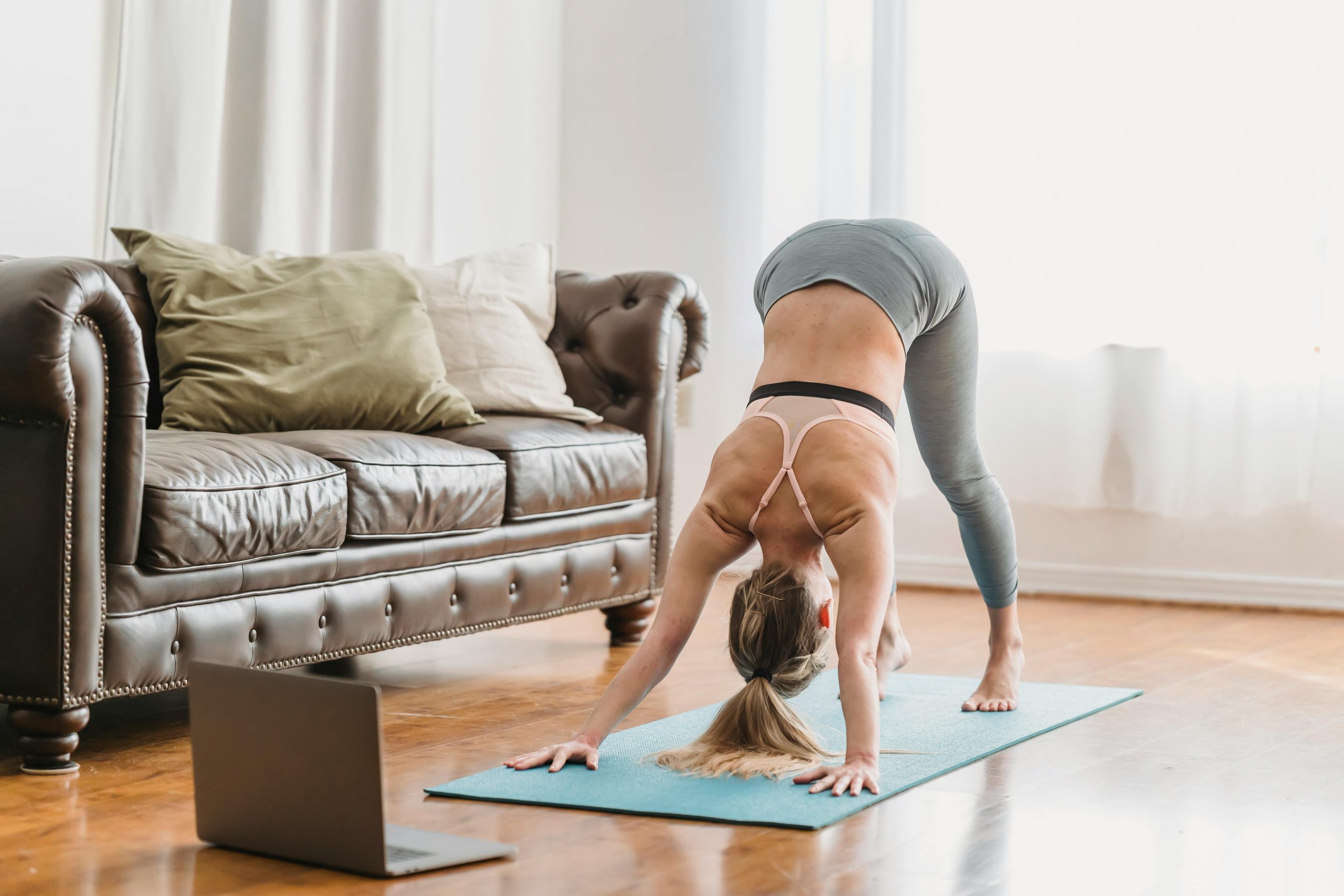
We’re halfway through February and it’s safe to say that most of us didn’t get the “new year, new me” memo. From rising costs to social pressure, getting out to the gym has become harder and harder.
But at-home workouts are having a moment this year, with plenty of YouTube channels dedicated to fun workouts that you can do without anyone watching!
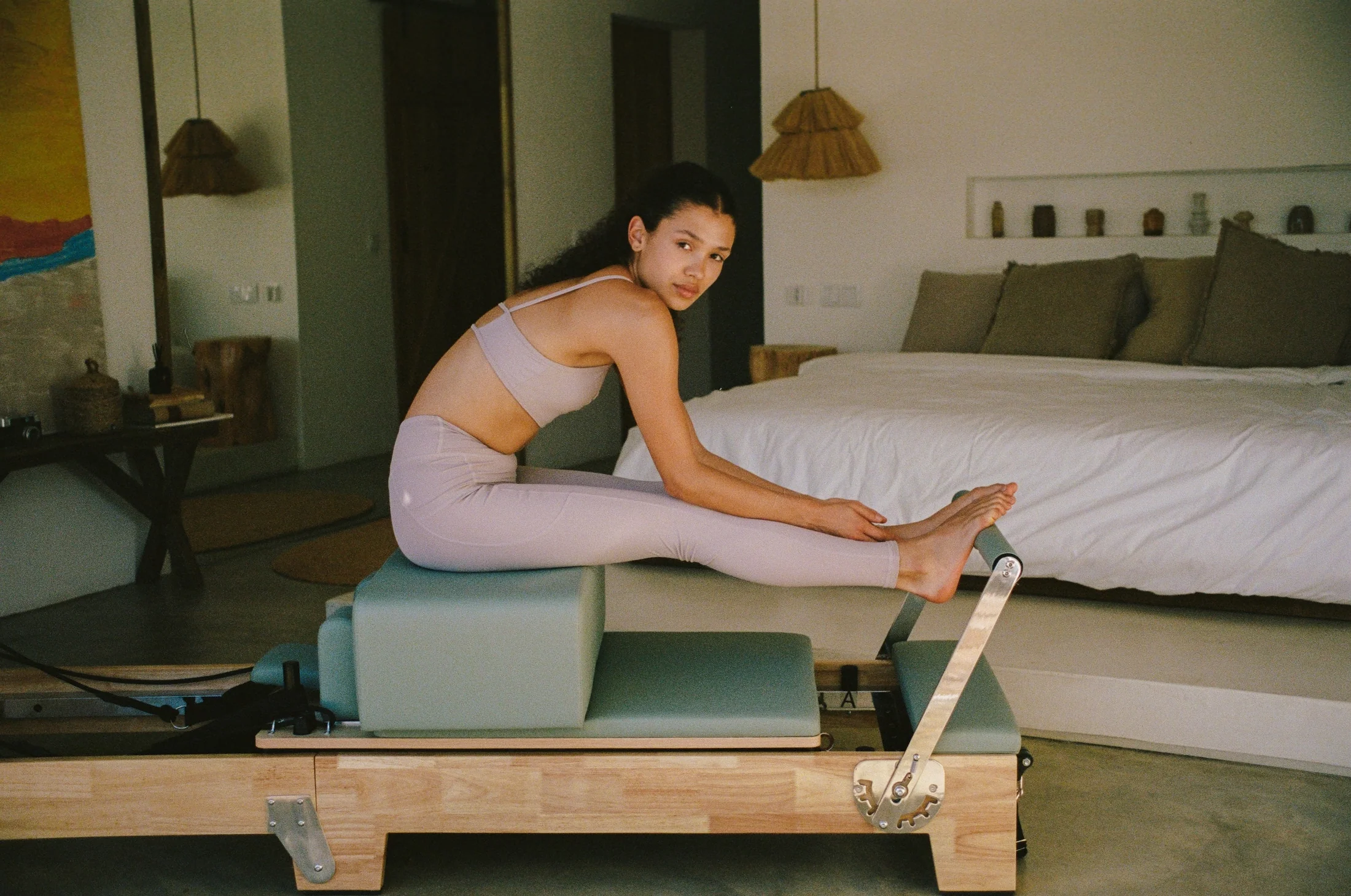
We sat down with Hannah Joyce, founder of Flexera, who wants to breakdown the gatekeeping of wellness with her Reformer Pilates business.
Here we talk about why people are swapping studios for their sitting rooms.
This year, more than ever, people seem to be stepping away from gyms and fitness classes despite the usual “new year, new me” momentum. Why do you think that is?
Even as a fitness brand founder, I found the “new year, new me” noise overwhelming this year. There’s pressure to suddenly eat perfectly, sleep better, reduce screen time, and overhaul your entire lifestyle all at once. I’ve fallen into that trap before, and I did again this year. What finally worked was stripping things back. I set myself a simple 90-minute weekly movement goal and focused only on moving. Once I did that, everything else started to fall into place naturally.
Do you think social media pressure plays a role in people feeling hesitant to attend in-person classes?
Absolutely. Social media has raised the bar in a way that can feel intimidating. It can look like movement only “counts” if you’re in a matching set, perfectly styled and ready to be filmed. But real life doesn’t look like that. Sometimes you just want to move. I regularly do short ten-minute sessions at home in my pyjamas; I’m not looking to be in the background of someone’s content. If you judged by Instagram alone, you’d think Reformer Pilates was only for super-fit twenty-somethings, but in reality, most of our customers are women in their forties and beyond.
View this post on Instagram
With rising living costs, fitness can feel like a big financial commitment. Do you think affordability is another barrier?
Without question. Boutique fitness has become incredibly expensive, and it often comes with very little flexibility. A friend of mine arrived exactly on time for a class recently and was refused entry; she lost her €28 and was charged a cancellation fee on top. Life doesn’t always go to plan, and when movement starts to feel punitive or stressful, people naturally disengage. People still want to prioritise their health, but they’re looking for options that feel fair, forgiving, and sustainable.
Talk to us about Flexera!
Flexera started from a very personal place. I loved Reformer Pilates, but I couldn’t afford to go to a studio more than once or twice a week, and that disconnect never sat right with me. Movement works best when it’s consistent, not occasional. Flexera was built to remove the barriers that stop people from showing up regularly. What’s been really validating is seeing that reflected in our data: our average customer now completes around five classes a week. When you remove friction like cost, travel, and scheduling, people don’t move less; they move more.
Everyone feels busier than ever – what role do at-home workouts play in making movement more accessible?
At-home workouts are about much more than convenience. They offer freedom and consistency. Life doesn’t move in neat one-hour blocks, and movement shouldn’t have to either. Being able to do ten minutes, twenty minutes, or a full class without commuting or pressure makes all the difference. The goal isn’t perfection – it’s showing up. When movement fits into your life, rather than asking you to rearrange everything around it, that’s when it truly sticks.