



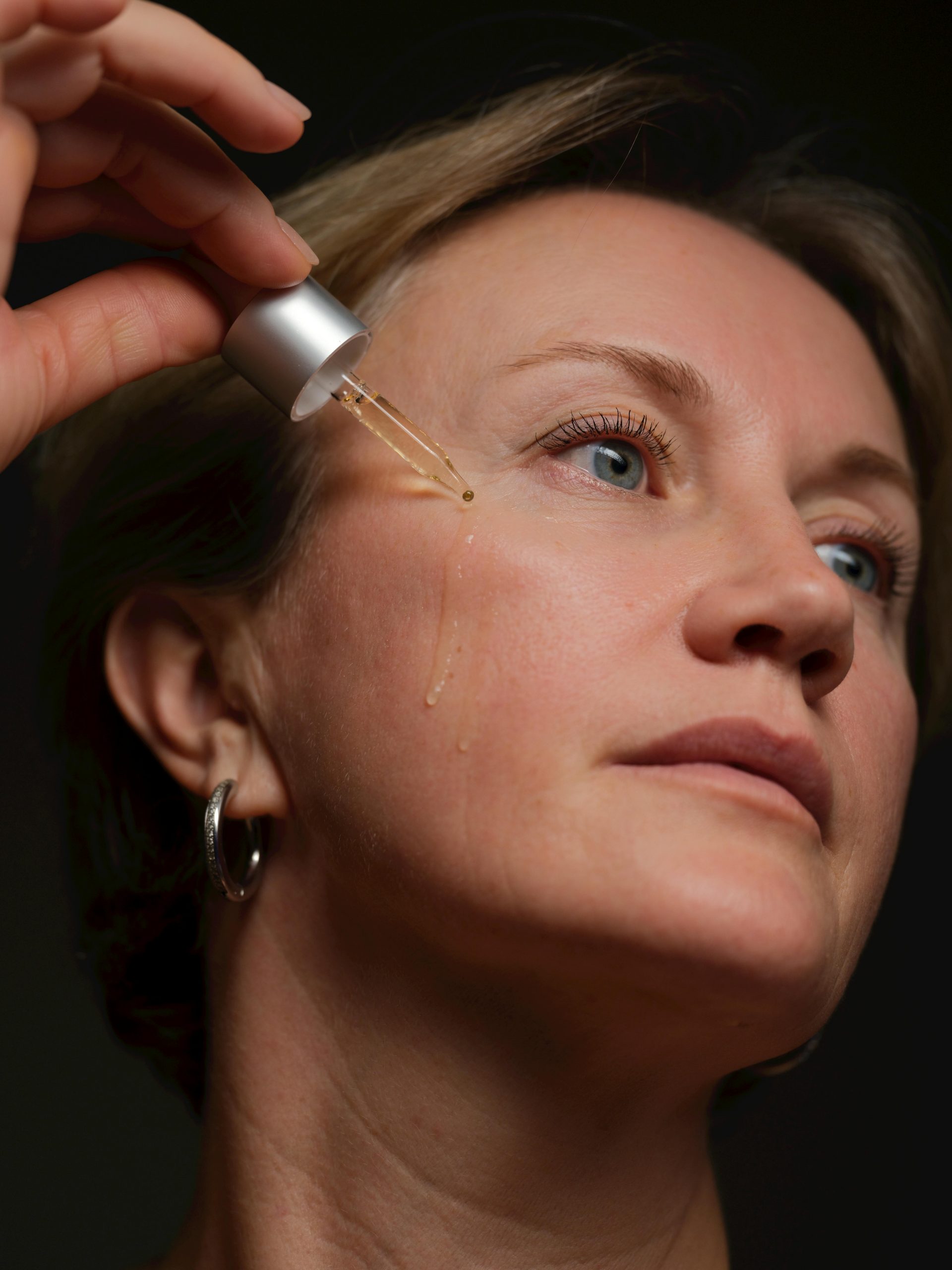
For most of us, we left biological terms in the classroom. But in recent years, we’ve been getting more knowledgeable about our skincare and what we’re really putting on and in our skin.
The latest skincare trend that has taken over social media is peptides. You’ve probably heard influencers discussing them all over social media. They’ve been praising it in their creams as well as promoting injections of the proteins.
But what are peptides? And are they really skincare saviours?
VIP Magazine spoke to Dr Des Fernandes, Environ Founder & Scientific Director, to find out what exactly they are…

What are peptides?
Peptides are collections of amino acids, which are the building blocks of proteins.
In certain combinations, they have been found to promote collagens of various types, like elastin. They may be in various combinations of the 20 amino acids that we need, such as glycine, alanine, methionine, tryptophan, and arginine.
We could have a combination of a dipeptide (two peptides e.g. glycine with arginine in a single line, or maybe three or four peptides in a complex double line called a tetrapeptide).
How do peptides work?
Peptides work as messenger signals to promote normal cellular activity and can be classified as peptides that work on the fibroblasts and keratinocytes, and others that work on the nerves. Botulinum toxin mimicking them can reduce muscular activity.
Generally, they are created when tissue gets damaged and are the essential factors that facilitate repair.
Others signal cells to make less melanin. Many natural growth factors are peptides e.g. TGF Beta. Insulin is a peptide, and an even larger peptide is Human Growth Hormone.

What are the benefits of peptides?
Peptides are very useful, and yet we are still in the early phases of research despite it being about 30 years since we started using them as ingredients in skincare products.
I am sure that we will uncover more synthetic peptides that will have specific benefits for skin. There is enormous hype about exosomes.
We must realise that when cells communicate with each other, they do so largely by encapsulating peptides in exosomes, which contain many other bits of DNA, mRNA, etc.
How can we incorporate them into our skincare routines?
I believe in adding them into our active products if there is sufficient space in the cream. However, often there is not enough space to add them, and we have to produce a special peptide product.
I incorporate various peptides into my daily skin care by making up a cocktail of the essential vitamin A and antioxidants with matrix-generating peptides for collagen and elastin production as well as cells that promote cutaneous fat cells and promote hyaluronic acid.
They can be used morning and/or evening regularly or in ‘cures’ of several weeks or months.

Should everyone be adding peptides to their routines?
Not everyone needs more peptides in their skin care.
Younger people starting topical vitamin A and climbing up to high doses on the Environ AVST step-up system probably don’t need them and may well mature with healthier, well-constructed skin, where peptides would be introduced at a later stage than for people who have not used vitamin A and antioxidants for a long period.
I believe they should be introduced when the specific target need is there. At this stage, I am not sufficiently informed by science to say that one could use them pre-emptively.