



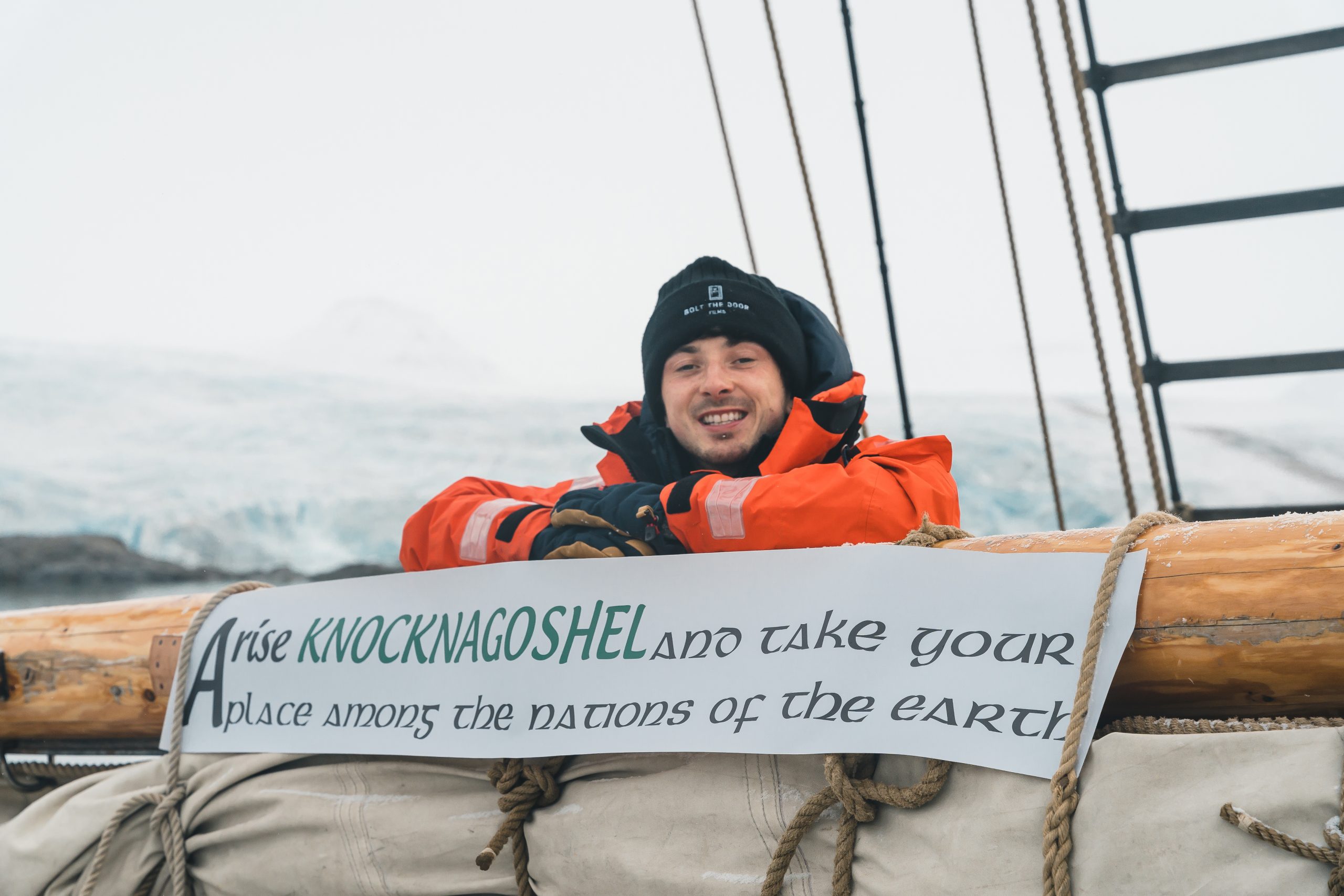
Growing up, Chris Barrett watched polar bears on television from his home in Kerry. Never could he have imagined in 2023, he would make his first trip to the Arctic Circle and come face to face with the beautiful creatures.
“I’m really, really fortunate that the photographs I have of the bear are kind of in this playful, almost docile manner,” the adventurer, photographer and outdoor instructor tells VIP Magazine.
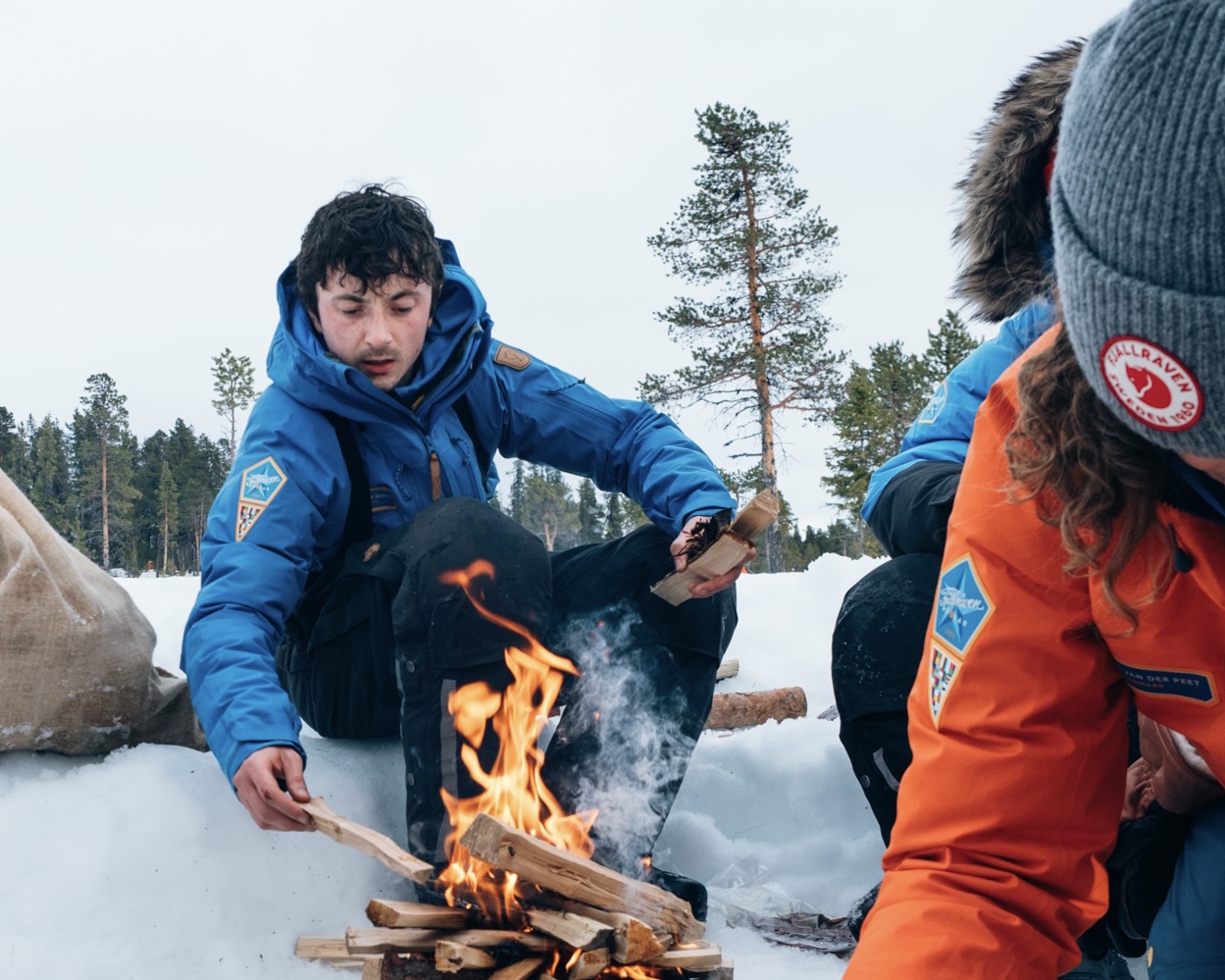
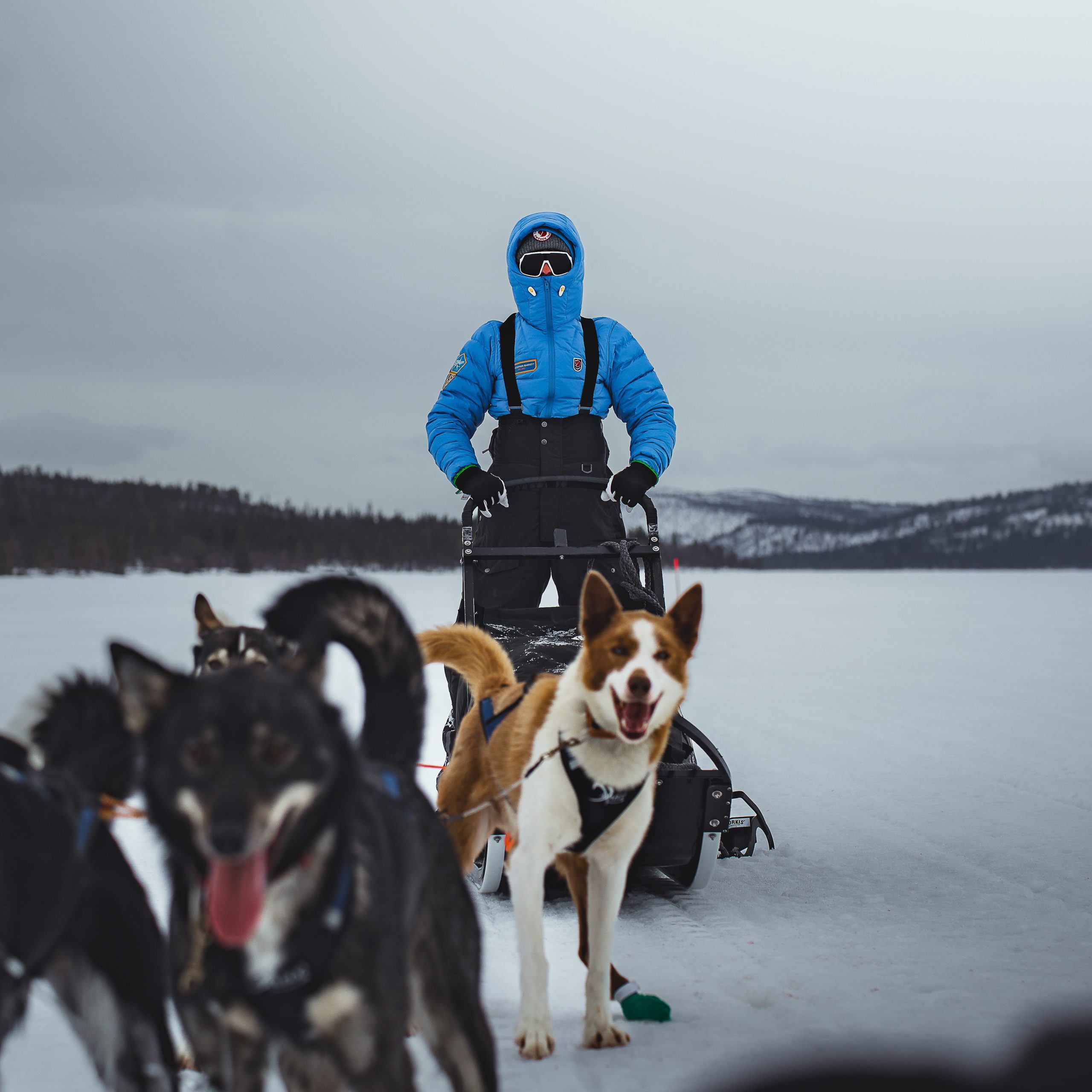
He returned to the Arctic Circle last year, this time with sled dogs, following in the footsteps of fellow Kerryman, Tom Crean, who was among one of the first people to travel to Antarctica.
It’s not just the Tundra that inspires Chris, he has a grá for his local area that sees him explore biodiversity through a uniquely Irish cultural lens, connecting folklore, heritage, wildlife and lived experience. From raising awareness about native Irish trees, to the return of the red squirrel, he is hopeful to share his love of Ireland’s natural world with this generation and the next.
Ahead of his inspirational talk at this year’s Wander Wild Festival, we sit down with Chris Barrett to talk about polar bears, why the natural world is “heavy metal” and how we can play our part in saving the world…
Chris, most people will know you from heading to the Arctic Circle. Did you grow up hearing stories of fellow Kerryman and Arctic explorer Tom Crean?
I recently heard that the temperate Atlantic rainforest on the country’s western side exists because we get so much more rain than Dublin, and the eastern side of the country. So maybe there’s a degree of us from the West being used to the cold weather! I’m very fortunate to have learned about Tom Crean at a fairly young age, in school, particularly. I suppose the book from Michael Smith, I’m re-listening to it again now, I couldn’t tell you how many times I’ve read or listened to it. That really set the stage for a lot of people, I think, to nurture interest in polar regions. That was kind of the Golden Age of exploration, and to have somebody from Kerry there in such a profound place is really something special. For Crean to serve under Ernest Shackleton and Robert Falcon Scott under that era is really, really incredible. I think there’s a great fortune in exposure to those kinds of stories. If Michael Smith had not written that book, I wonder what knowledge we’d have on Crean, to be honest.
After coming back from the Arctic, what did you take away from that experience?
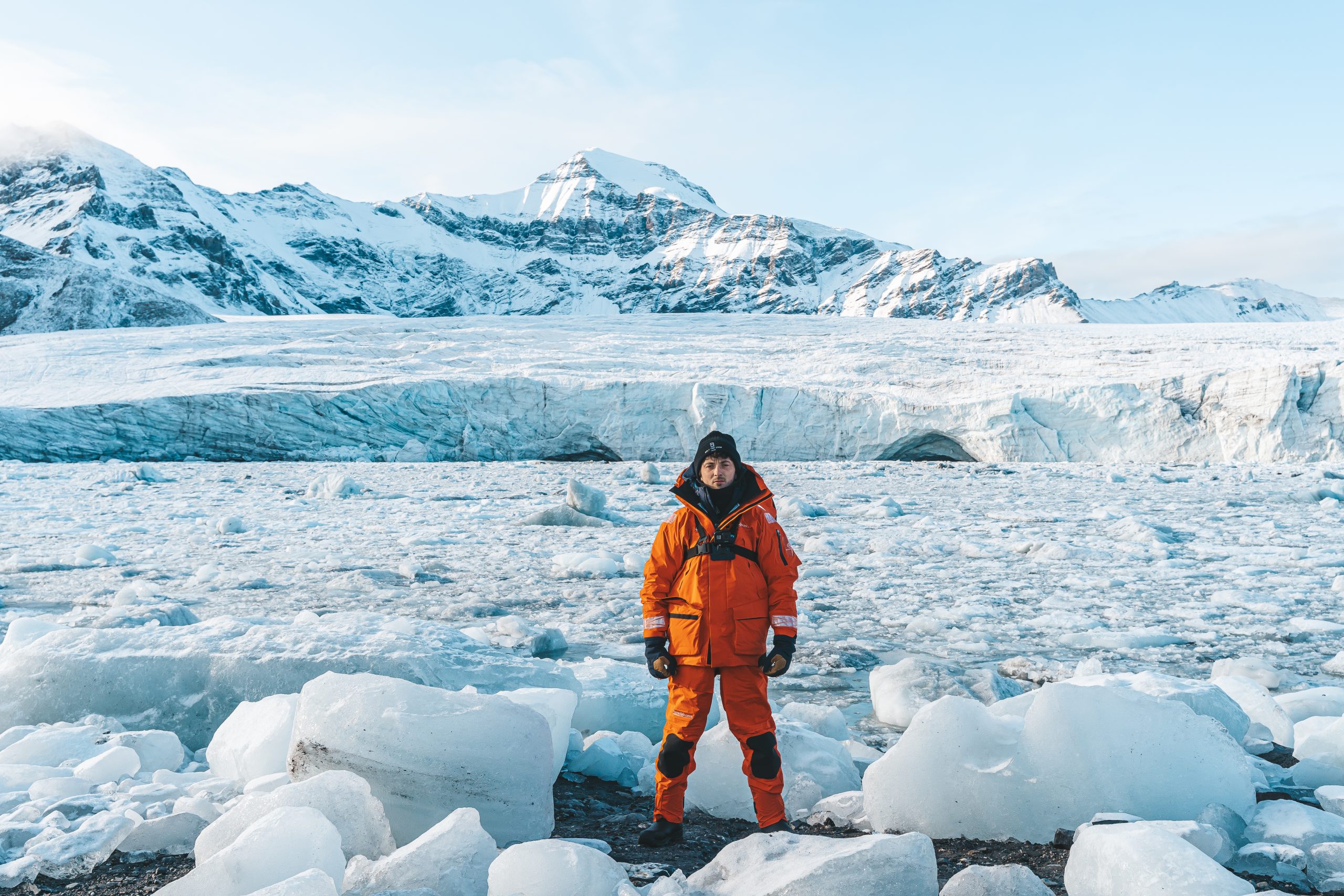
That’s a good question. I’ve spoken about this lately, that the polar bear, when I was young, was seen as the poster image for climate change. The polar bear was the physical representation of what is going to happen to us if we continue at the rate of warming at which we’re at. Bears are swimming further and longer than they’ve ever had to before because of the melting caps. The longest a polar bear has found to swim is over 600 kilometres, over 600 kilometres. This bear would have initially had cubs with her, but they died during the swim because they don’t have fat reserves. So when you go there, you’re seeing that up close. You’re obviously seeing the degree of glacial melt, and what we’re seeing now on a global scale is that there’s more denial around climate change now than there was maybe five or 10 years ago, in my opinion. The benefit of me being there and being able to document this is to be able to come back to Ireland and go to schools, which I do, and show them this is happening in real life and these are the reasons why. The melting of the ice caps isn’t just about things getting warmer. It’s about a whole ecosystem. I think it’s important. Having said that, I think it’s equally as important to demonstrate the message that it is a big, big challenge, obviously, but we have a lot that we can do at home. That’s probably where there’s more of an opportunity for practical input is things that you can do locally.
View this post on Instagram
Well, you are a great inspiration.
We do need to fight it. When I was growing up, we had the likes of Steve Irwin. We need more people like him to show that nature is heavy metal! These days, I really look up to people like Seán Roynane, Jack Morley, the team at Hometree – just to name a few. Nature is cool. It’s good craic. The craic can’t always be sucked out of it!
We’re obsessed with the idea of nature being heavy metal!
That’s just how it works! I’m really, really fortunate that the photographs I have of the bear are kind of in this playful, almost docile manner. But having said that, they are an apex predator. They are, in my opinion, nature’s most formidable creatures. That’s the attraction to the bear. I’ve always been attracted to predators. I’ve always found them really interesting. It’s kind of a beautiful dichotomy of being incredibly dangerous, but at the same time, like very beautiful in a kind of calming sense when you’re fortunate enough to be so close to a bear, but have a degree of safety being on a ship. There are so many things about the polar bear that are interesting. Their fur isn’t actually white; it’s transparent, and their skin is black. But what I find really interesting about bears is that they actually come from Ireland.
What?!
They’ve actually descended from the Irish brown bear. And when the Irish brown bear travelled north, they adapted to become the polar bear that we know today. So that’s a bit of a fascinating history. It illustrates the interconnected nature between what’s happening in the Arctic and what’s happening in Ireland. From a weather perspective, what we’re seeing in Ireland now is these dramatic shifts between high pressure and low pressure. You know, we’re having a couple of days of crazy wind and rain and storms, followed by a couple of days of sunshine. These big variations of high and low pressure are actually directly caused by the melt in the Arctic. The reason for that is that the polar stream that used to run around the top of the world, which was lovely and consistent, has started to wobble. If you imagine something wobbling, it’s high and low, and that’s the high and low pressures.
So what advice do you give people to start minding the nature around us?
I suppose my advice to people would be to try not to take the burden of responsibility to solve every problem that you see. I think we can find it particularly difficult now with more of an influx of information. There are a lot of things going on in the world that are worthy of our attention. If we pay attention to everything, we just kind of switch off from it. My advice to people, if they’re interested in environmentalism, would be to be T-shaped.
What does “Be T-Shaped” mean?
You find one area that you’re particularly interested in, and you focus on that. That’s your body of the T. And then the top of the T is like a few other areas that you kind of dabble in. Most people who are into environmentalism are doing it voluntarily; they’re doing it outside of their full-time job. So, picking one area is what I have found in my experience to be very beneficial and very helpful. It gives you a bit of self-compassion because you don’t need to try to solve every problem.
How do you find your interest?
It is definitely a lot of trial and error. Joining local groups is a great way. There are a lot of events that happen. It’s the best thing that is happening in Ireland at the minute, the amount of festivals and events we have. I think we’re the greatest country in the world for running an event. There’s loads of stuff happening. Picking one area is definitely very helpful, so that when you feel overwhelmed by another area. You might be specifically interested in the marine environment, like whales and dolphins and special protection areas, or you might be particularly interested in rivers and riparian zones, or you might be trees, or you might be mammals, or you might be insects, or you might be kind of an adjacent sector, like the culture of nature, or the language within nature, or kind of equality within nature, or access to nature. And by picking one, I have found it to be liberating, because you’re less likely to get burned out, you’re less likely to get overworked.
View this post on Instagram
One of your passions is native trees, right?
Yes. That is one thing I probably would like to highlight is. The native tree area scheme has been released and it is really, really favourable. You can plant up to a hectare, which is two and a half acres, and you don’t have to be a farmer, you can just be a landowner. It’s applicable to practically everyone, and up to a hectare, you don’t need a licence, so it’s done through this scheme, we’re working with landowners and farmers now to do it, and that’s just one thing I’d like to put in, if anybody’s interested in the native tree area scheme, reach out to me directly, I’d be more than happy to put people in the right direction.
You talk about burnout and being overwhelmed, but you seem very hopeful for the future of our planet.
I’m very hopeful for the future. My goal is that people have an opportunity to see the seeds that are being planted now, and the kids that are interested in them now. There is potential for a big change. I’ll never forget it, driving to work after a terrible storm last year. Sheds had come off buildings, places were destroyed, there was trees over, it was like a war zone. I pulled in at the side of the road, just as the sun was rising, and the sound of the robin at dawn in this defiant glory of resilience… I think the strength and resilience within the natural world is something to be really celebrated. I’d be hopeful for the implementations that we’re doing now, the impact that we’ll see of those in a few years’ time.
You can hear Chris Barrett speak during the Wander Wild Festival in Killarney on April 18th. Find out more here. You can reach out to Chris via Instagram here.