



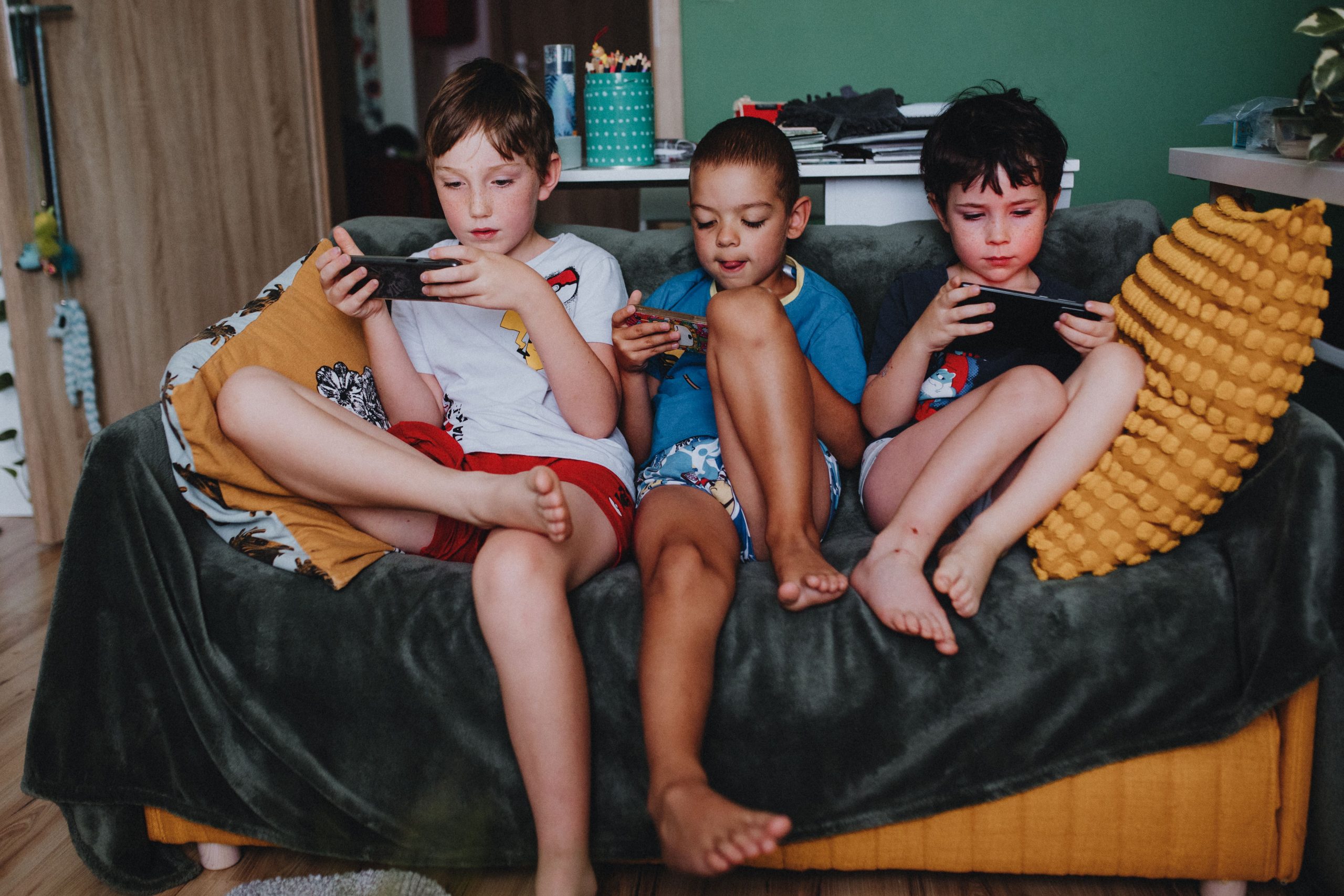
Most parents already know that too much screen time probably is not ideal.
But knowing the risks and actually enforcing rules to prevent that risk are two different things. Between phones, YouTube, TikTok and the general chaos of modern life, screens have become a very big part of everyday life for children that is very difficult to avoid.
Now, doctors are warning that the impact of excessive screen time on children’s health is too major to ignore.
The Academy of Medical Royal Colleges, which represents 23 medical colleges and faculties across the UK and Ireland, has compared the risks of social media for children to major public health issues like smoking and wearing seatbelts in cars.
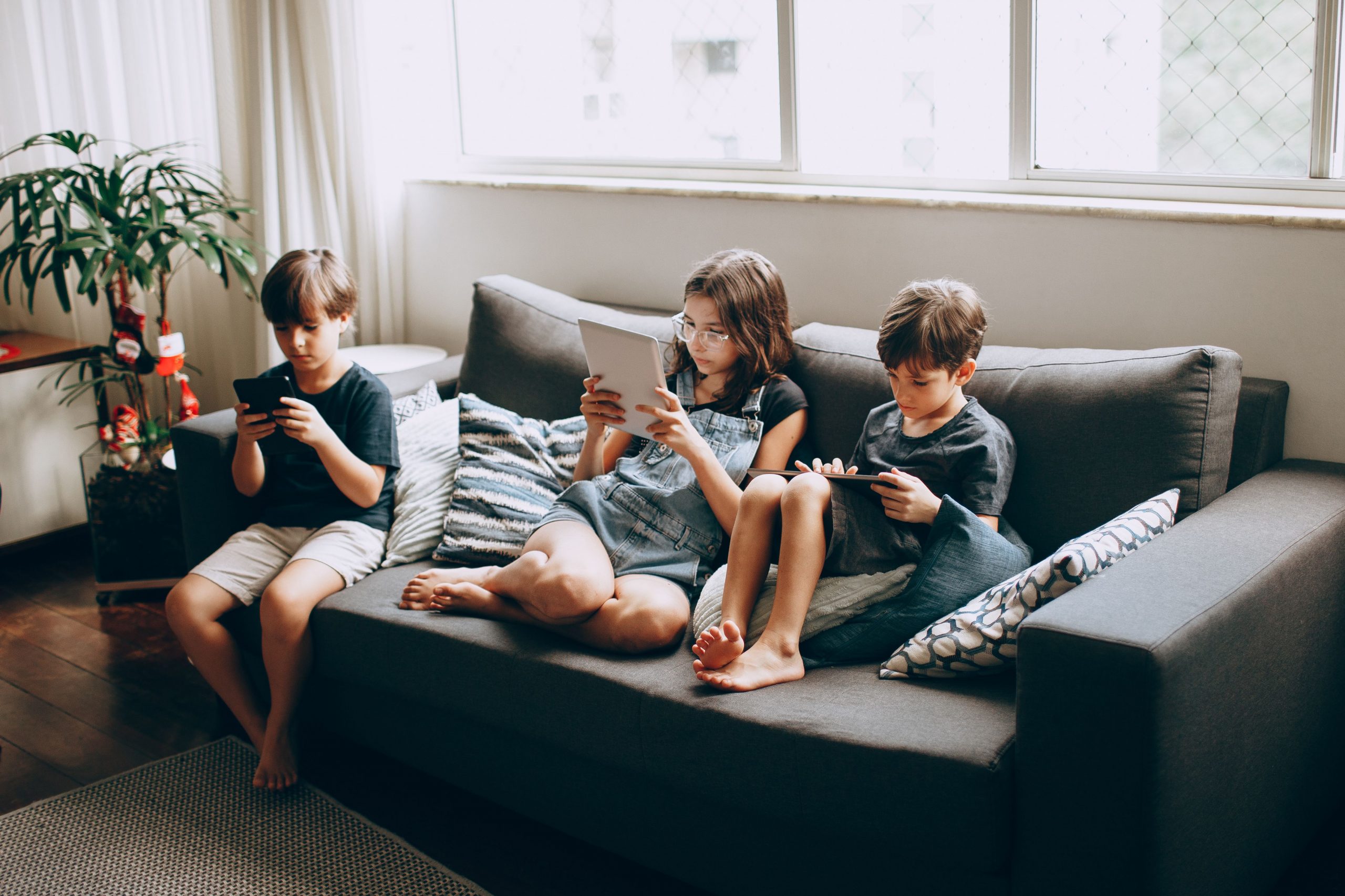
Which is a fairly shocking comparison.
The group said: “There can be few issues which have united clinicians so resoundingly in recent years as the impact that unfettered exposure to tech and devices is currently having on children and young people’s health.”
More than half of the doctors surveyed reportedly said they had seen at least one case of health harm that could be related to tech and devices every week. Over a third said they saw evidence of harm multiple times a week.
And the concerns are not just about children scrolling for too long. The concerns include mental health impacts, including trauma from cyberbullying and viewing violent and sexual content online. It is even linked to physical injuries from children copying dangerous things they have seen on the internet.
There have also been growing concerns from teachers about how screens are affecting younger children before they even get properly settled into school. Some teachers have reported children trying to swipe books like tablets, struggling to sit through story time, and even turning up with accents picked up from watching too much YouTube.
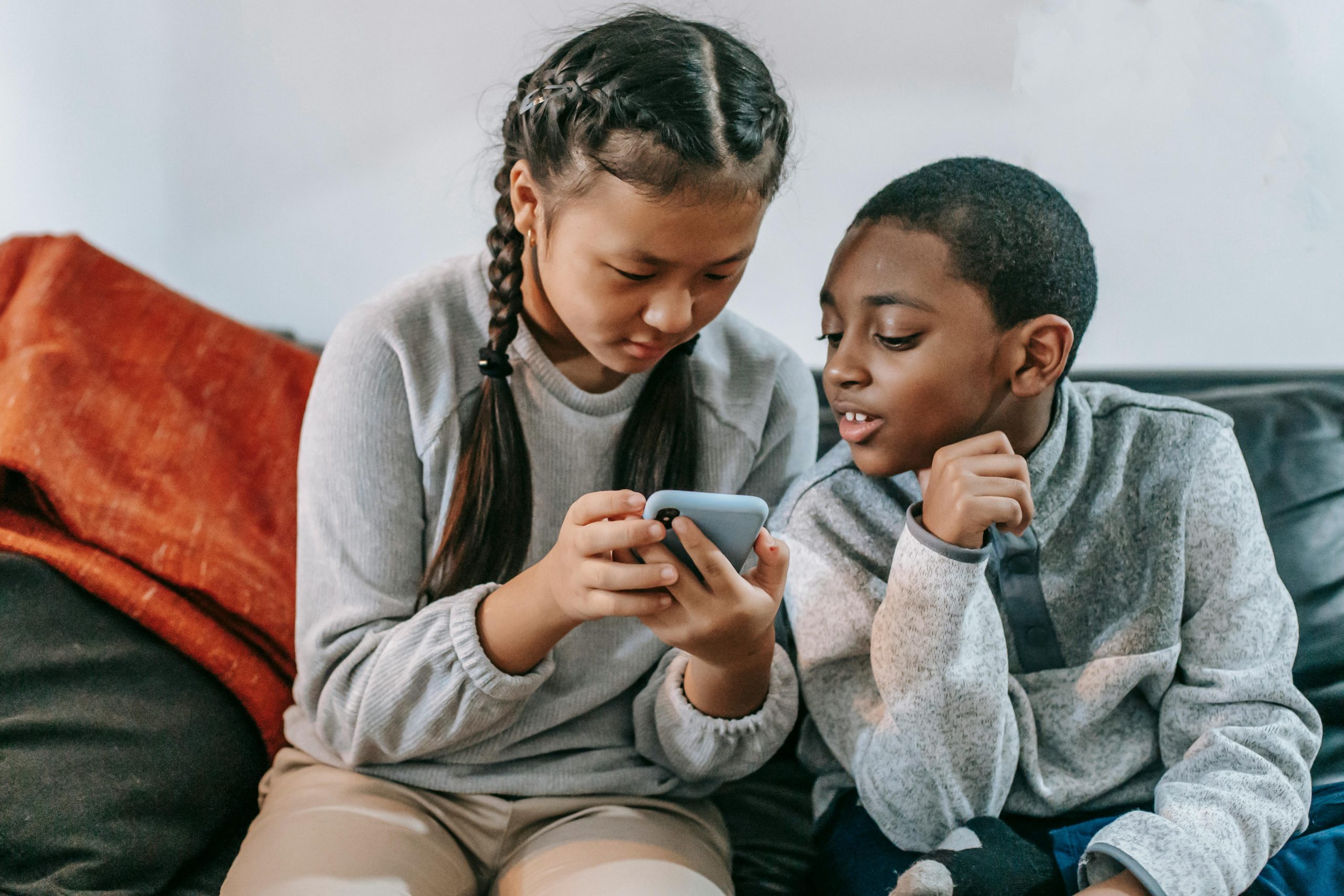
It sounds a bit funny at first, until you realise how dystopian it is.
The bigger issue is that many children are now growing up with instant personalised entertainment constantly available to them. So, when it is taken away and replaced with a book, a classroom whiteboard, or just a few minutes of boredom can be a huge adjustment.
And to be fair, adults are hardly innocent here either.
Most of us know the feeling of picking up our phone to check one thing and somehow losing 40 minutes to absolutely nothing. So, expecting children to regulate themselves around apps that are designed to keep them engaged is quite a big ask.
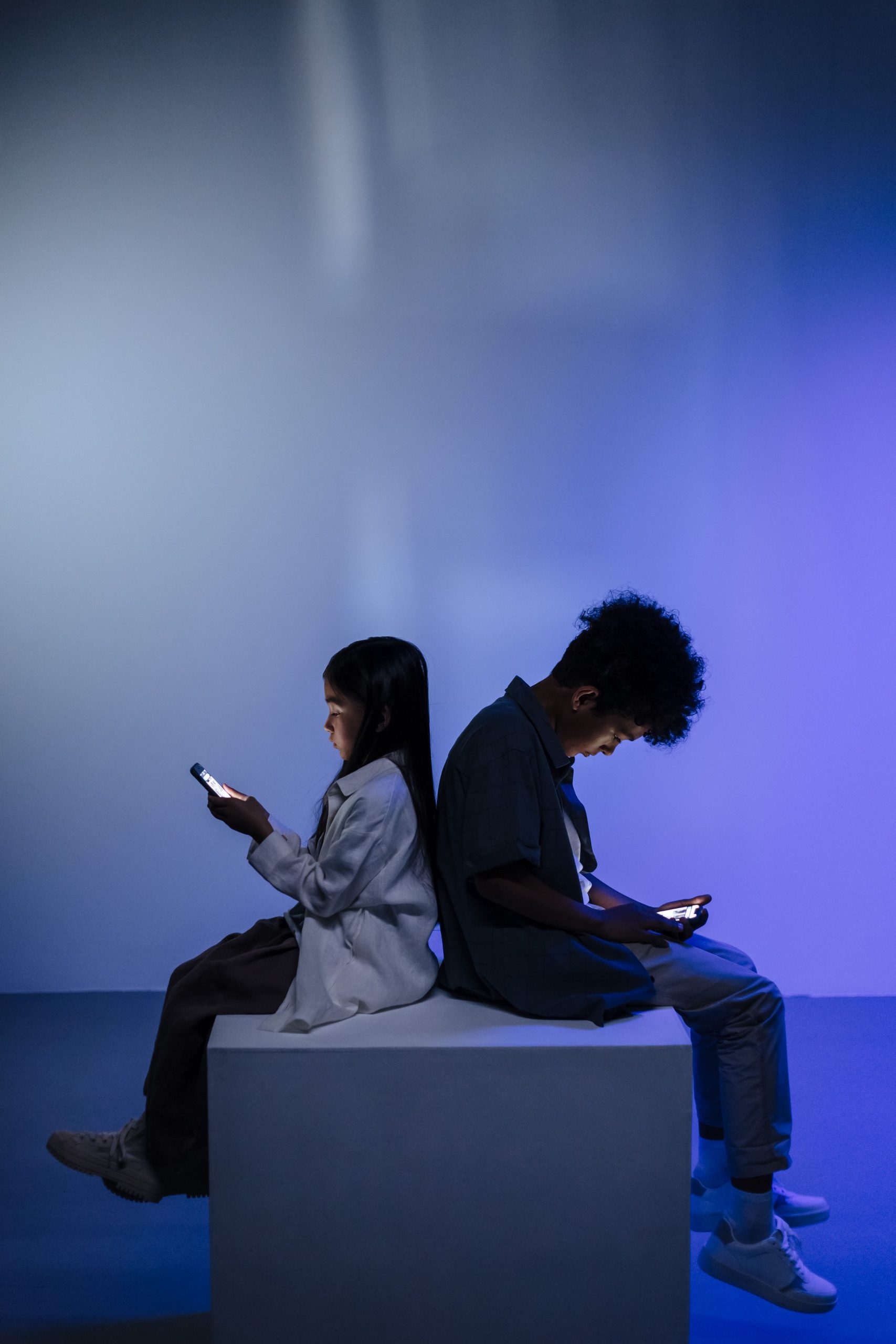
That’s why the conversation surrounding a social media ban for under-16s is growing.
Australia is already introducing these restrictions, and the UK is considering different restrictions, such as introducing curfews and stricter age checks. In Ireland, the conversation is taking place quietly, with Minister for Communications Patrick O’Donovan previously saying he is working on plans around access for under-16s.
But whether a ban would actually work is another question.
In Australia, most reports suggest that many teenagers are still finding ways around restrictions, with some using VPNs or moving to just moving to different platforms. So while a ban seems like the cleanest approach the actual enforcement and effectiveness of the ban can be a lot more complicated.
For parents, the advice seems more about implementing boundaries. That might mean setting family-wide rules for when and where you can use your phones, keeping the devices out of bedrooms at night, delaying smartphones where possible and talking to your children about what they see online and what content they follow.
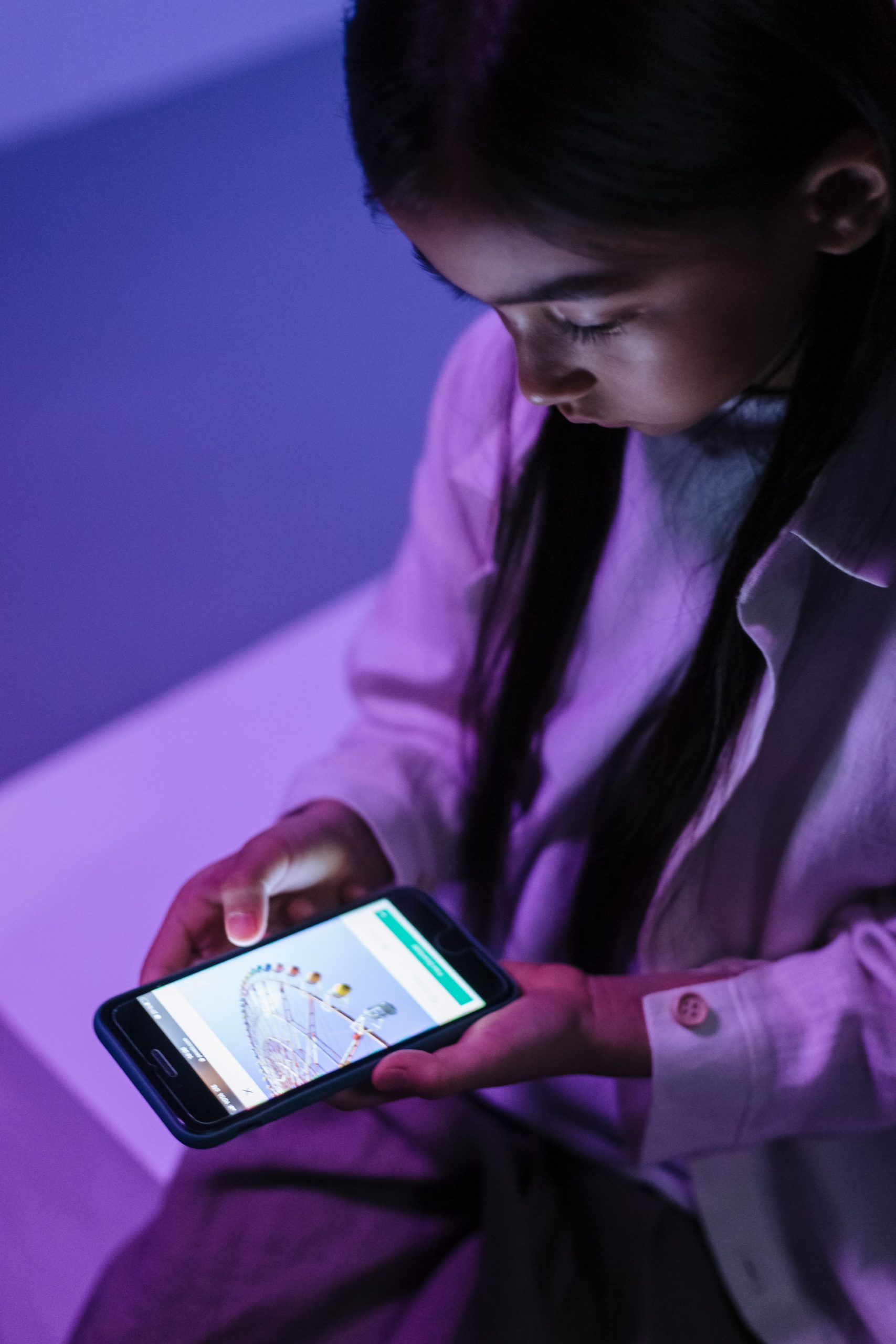
Because the answer probably is not pretending the internet does not exist. It is helpful for children to understand it, and it can be a very helpful learning resource for them.
But it also isn’t about making parents feel guilty about giving their children devices when they themselves need a few minutes of peace. Sometimes, survival is survival. But it is about recognising that screen time is no longer just a small parenting debate. It is becoming a serious health concern.
And if doctors are putting it in the same category as smoking, it is probably time we took the issue seriously.
Words by Andrew Connolly