



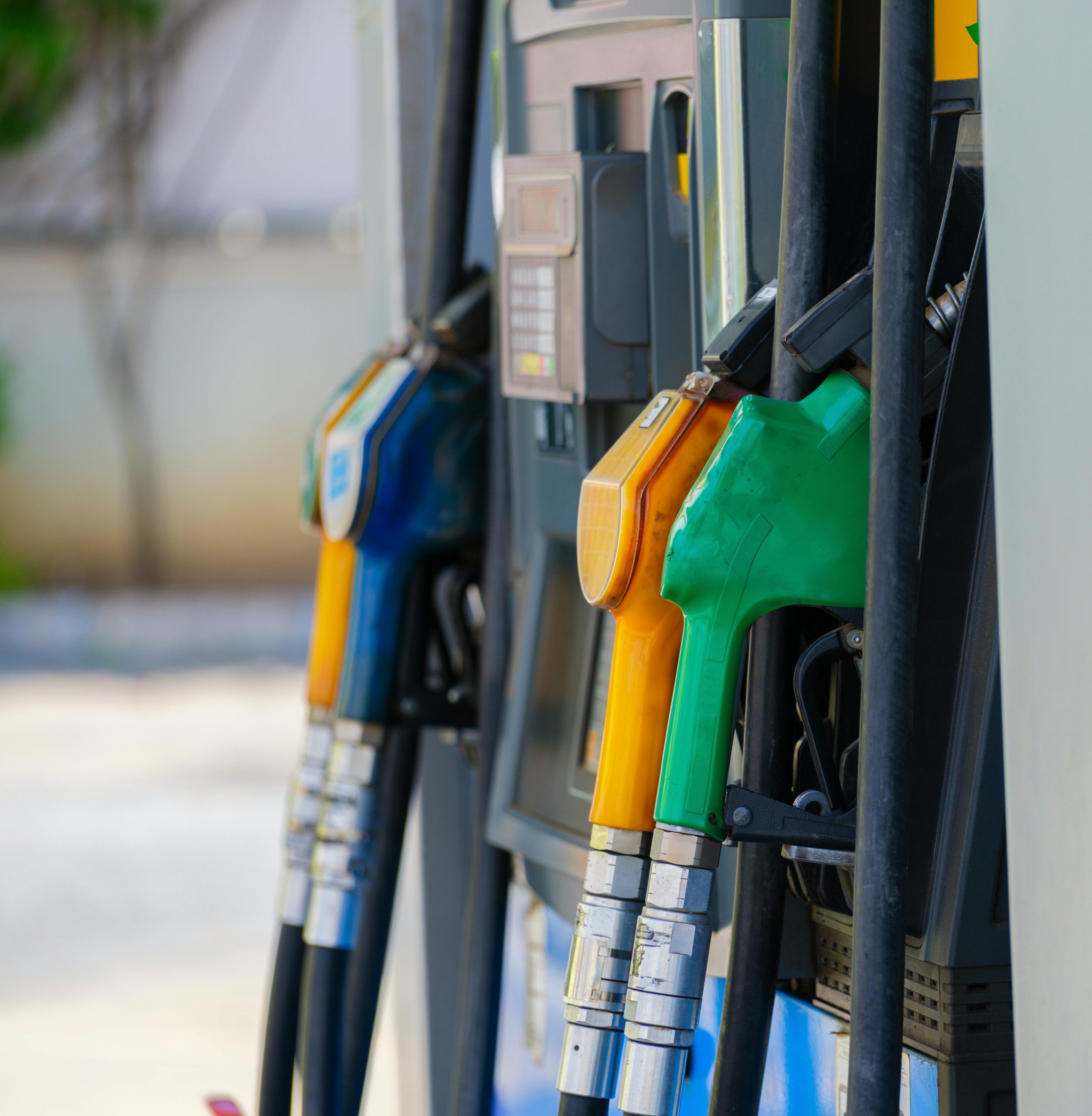
The streets of Ireland have been taken over by lorries, tractors and cars to demand a government response to rising petrol and diesel costs.
The fuel protests are causing significant disruption to roads all over Ireland, including the motorways, M1, M50, M7 and many more.
Slow-moving convoys are protesting against the high fuel prices caused by the US and Israeli war against Iran. Around 20 per cent of the world’s oil trade, the raw ingredient for producing both petrol and diesel, has been halted by the closure of the Strait of Hormuz.
Prices in the Republic of Ireland have risen to about €2.14 a litre for diesel and roughly €1.91 for petrol, with higher prices in some places.
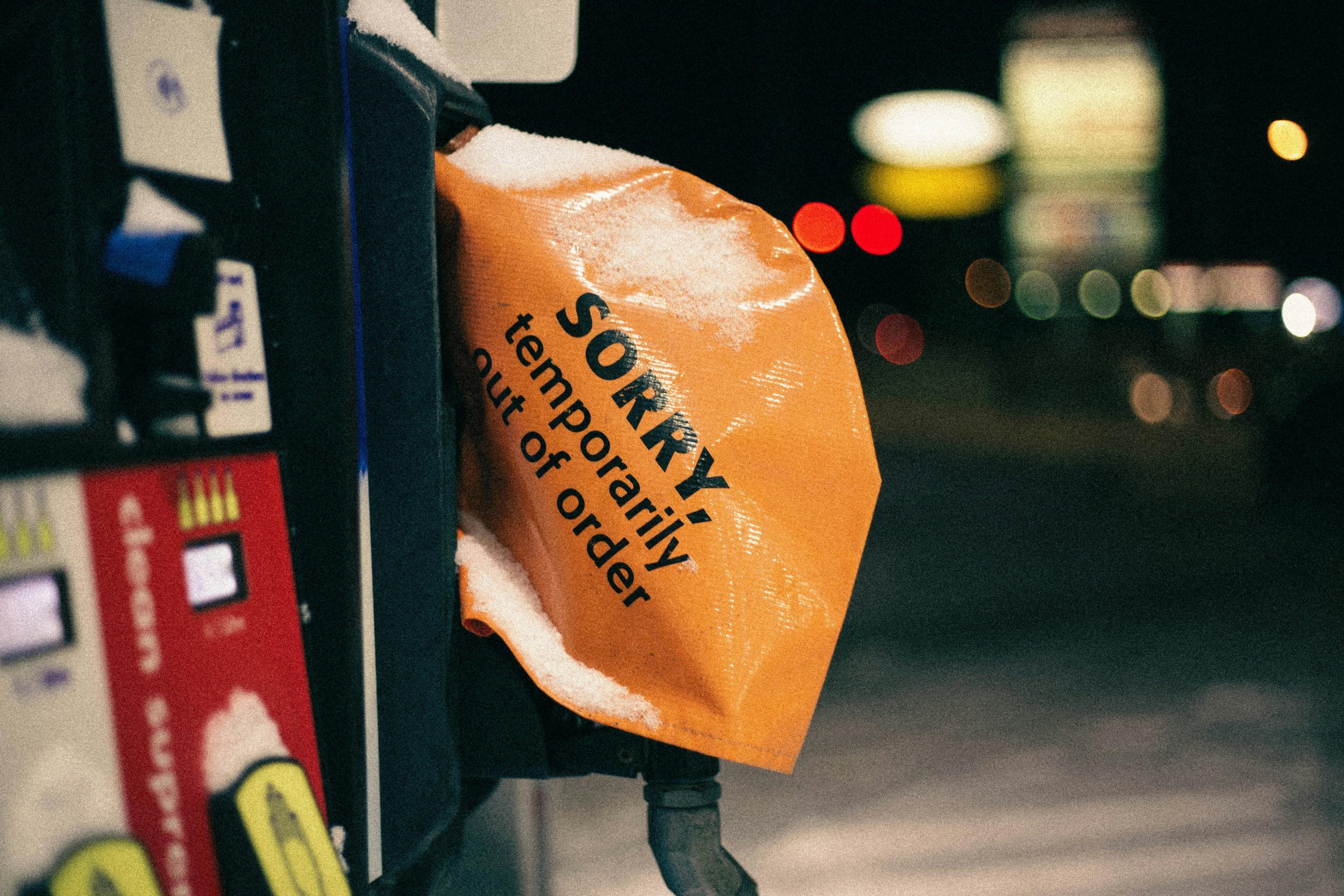
Protestors have said they want to meet with the Irish government to discuss this rise on livelihoods and the addition to the already harsh cost of living crisis. Senior ministers have said they have already met with national representatives and would continue to do so to ‘’keep the situation under review’’.
Several protests have been underway for the last few days, with roadway blockages and huge public transport disruptions. The protests started on Tuesday, the 7th of April and seem to be continuing. An Garda Síochána have said that although the protests are peaceful, they are “causing significant disruption”. From reports, they are allowing emergencies to pass the protest when necessary.
Another big issue with the oil shortages is that jet fuel is now running low. Many Irish families have booked their summer getaways early to avoid high costs, unfortunately they may not go ahead. Airlines have warned that the jet fuel shortages may persist for months.
CEO of Ryanair, Michael O’Leary said: “We don’t expect any disruption until early May, but if the war continues, we do run the risk of supply disruptions in Europe in May and June, and we hope the war will finish sooner than that and the risk to supply will be eliminated”.
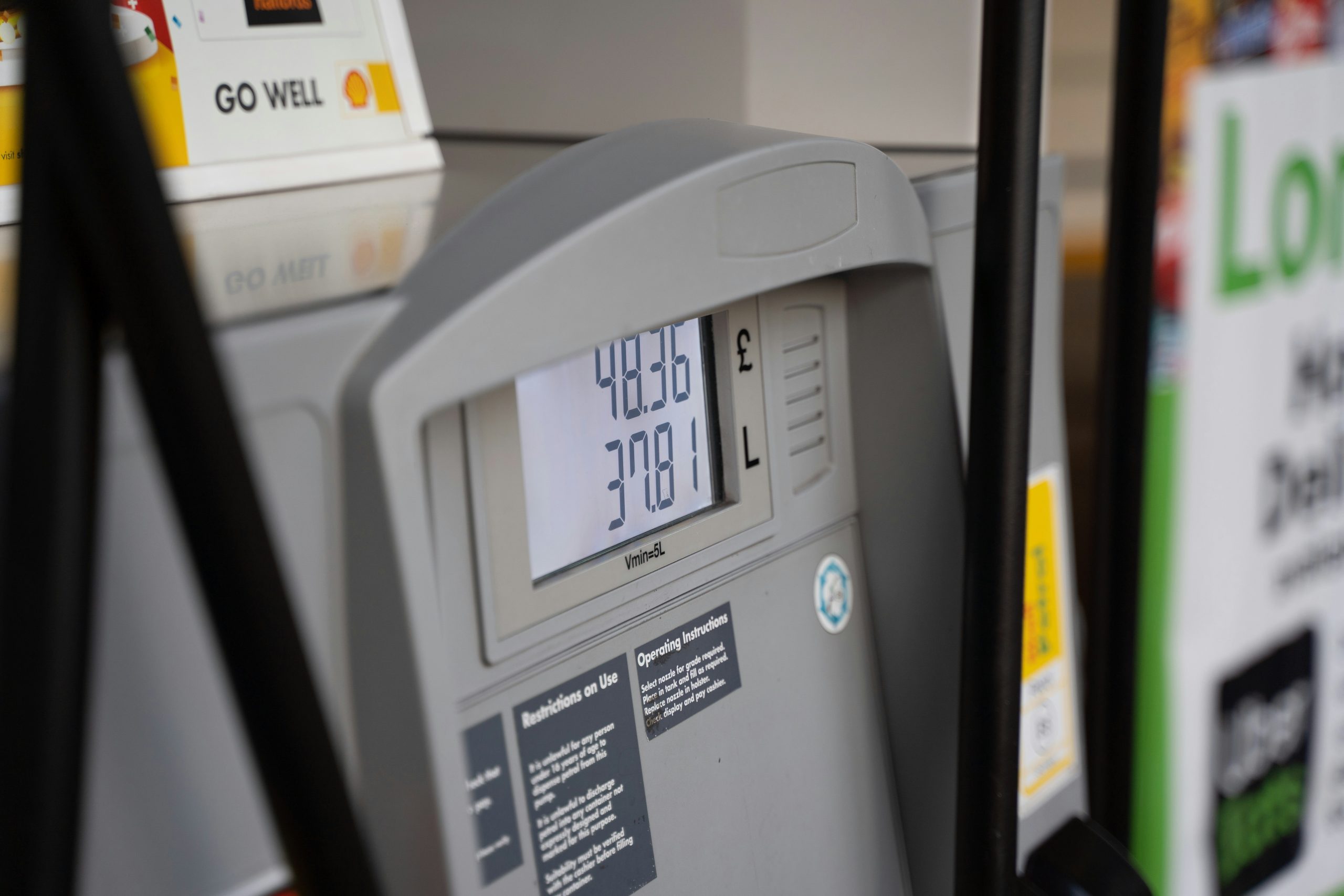
And analysts have warned that travellers should expect further ticket pricing rises and more cancelled flights.
The people partaking in these protests are ordinary, hard-working Irish people. They are fed up with the huge increases in the daily costs to get them to work, drop their kids off at school and simply live.
Some families are seriously struggling with how they are going to find the money to put food on the table, keep their house warm, and supply their kids with schoolbooks and necessities.
Words by Nia Hayden