



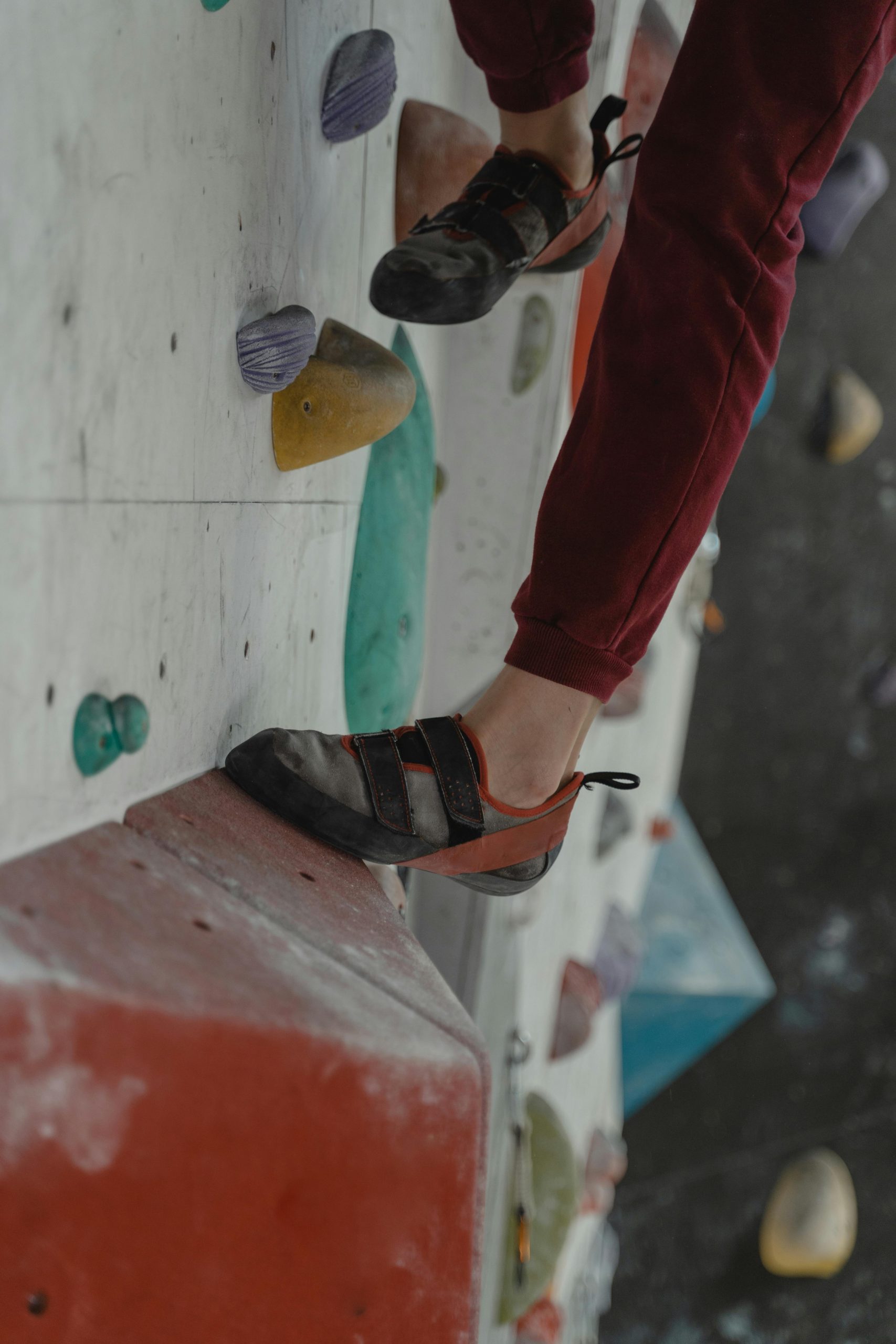
While indoor rock gyms may have been reserved for expert mountaineers or kids’ birthday parties in the past, the sport is gradually becoming more popular and more accessible to everyone. But what’s the hype?
Before indoor rock climbing became a more mainstream sport, climbing walls were really only used as training spaces for hardened outdoor rock climbers in between their adventures. You may have occasionally spotted a poor, six-foot wall collecting dust as it stood at the back of a kids’ playplace, forgotten and alone.
But over the past fifteen years, rock climbing has been catching more people’s attention. After the sport was included in the 2020 Tokyo Olympics, rock climbing became a lot more mainstream, and millions of people around the world saw what a great alternative it could be to the gym.
Gravity Climbing Centre opened in Dublin in 2011, and since then, four other climbing gyms have opened in the county, as well as several others across Ireland. Naturally, more climbing gyms mean more opportunities to try the sport out.
View this post on Instagram
The Tokyo Olympics wasn’t the only thing that shone a light on rock climbing in the media. Films like Free Solo and The Dawn Wall have also inspired people to look further into the sport.
According to the Gravity Climbing Centre, people “enjoy the combination of physical and mental challenges that climbing offers.” Rock climbing not only requires a lot of strength and control over your body, but each movement needs to be calculated and it takes a lot of brain power to stay on that wall.
Your brain may not be the same as your muscles, but it still needs exercise. Rock climbing offers you a way to kill two birds with one stone. A full body workout and a puzzle all in one!
But that’s not all it’s good for.
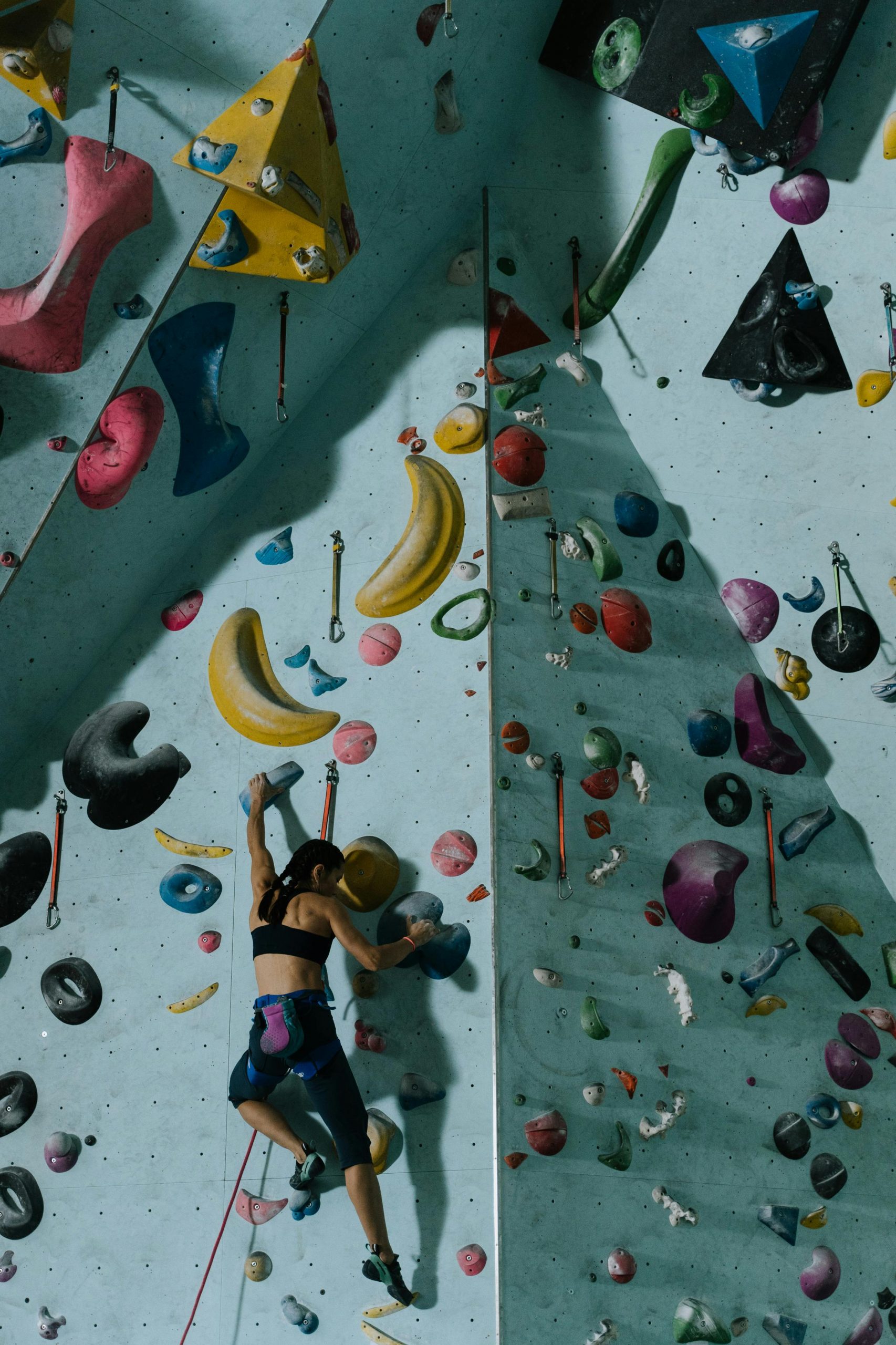
There are two main reasons that so many people prefer climbing gyms to regular commercial gyms. The first is that it gives you that adrenaline pump that high-risk sports do, except without the constant risk of death. That’s always a plus. Climbing gyms usually offer the option of roped or bouldering climbs, and there are safety measures in place for either option so that you can focus on getting up the wall without worrying about the danger of falling.
The second reason is that, as opposed to commercial gyms, climbing gyms foster a much more communal and social atmosphere.
“People are taking up climbing because it’s a really enjoyable social way to exercise…and the community is generally speaking very welcoming to newcomers,” they tell us.
Many beginners may find that rock climbing doesn’t feel nearly as competitive or stress-inducing as other workouts or sports they’re used to. The focus is on your individual journey, and each climber has a different goal, so no matter what stage you’re at in this sport, you can go at your own pace and be supported the whole way. This accepting culture is usually reflected in climbers themselves.
View this post on Instagram
Beginners often find that the people they meet through climbing usually have a laid-back and welcoming attitude. The climbing spaces also allow a lot more room to be sociable then regular gyms. Climbing with a partner or friend, or even helping someone with their solo climb, requires a lot of communication and room to talk. Climbing gyms also often have social areas like cafes where climbers can socialise before or after their hard work.
If you haven’t tried it out yet, climbing can definitely seem daunting, but it definitely is a good sport to be a beginner in.
”Walls are generally really well set up to get beginners started – they offer lessons and hire out equipment, so it’s easy to try climbing and see if it’s for you.”

Climbing walls will often include a colour-coded system so you can choose a route that suits your ideal level of difficulty.
If you’re looking for a new hobby this year, want to explore new workout routines, or you’re simply interested in what climbing could do for you, why not book a session with Gravity Climbing Centre, or one of the many climbing gyms across the country, and see what you think.